When I first started in the bangle tools game, I used to mix up forming and bending tools all the time. Honestly, I’d get halfway through a job with the wrong one and end up wasting time and materials. If you’re new to making bangles—whether you’re a small jeweler just scaling up or someone testing out custom pieces—this mix-up can cost you serious cash. Let me break it down like I’d explain it to a fellow supplier, no stuffy jargon, just real talk from someone who’s been on both sides of the workbench. Bangle Forming Tools
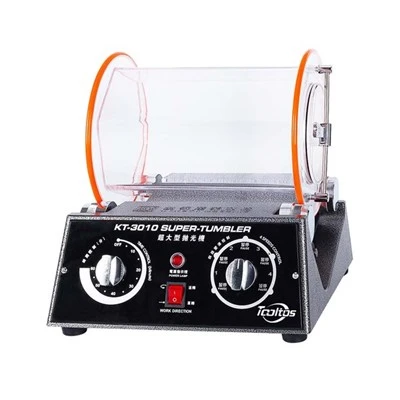
First, let’s start with what bangles actually are—those solid, circular bands that sit tight on the wrist, right? They’re not like bracelets that stretch or wrap; they need a consistent diameter, smooth edges, and enough structural strength so they don’t kink or bend out of shape after a couple wears. That’s where forming and bending tools split hard.
Let’s talk bangle forming tools first. These are the ones that shape the bangle from a flat strip of metal—like sterling silver, brass, or even gold—into a solid, uniform band without stretching the material too much, if at all. Wait, let me make that clear: when you use forming tools, you’re manipulating the metal’s thickness and form in place, not just folding or curving it around a round shape. Think of it like this: if you take a thin metal strip and push it through a set of dies that squeeze it into a perfect bangle size, that’s forming. Some forming tools use a mandrel (that’s the solid round rod inside the bangle) and a series of rollers that gradually shape the strip. Others use a press that applies even pressure along the entire length of the metal, so you don’t get weak spots.
Why does that matter? Let’s say you’re making a custom size bangle for a customer. If you use forming, you can adjust the dies to get exactly the inner and outer diameter you need, and the metal stays consistent. No more wonky bends where one side is thinner than the other, which would make it break easier when someone bends their wrist. Also, forming tools are great for mass production too—they’re fast, repeatable, and the finish is super smooth, so you don’t have to do a ton of sanding afterward. I’ve seen jewelers who switched to forming tools cut their production time by 40% because they skip all the extra fixing steps.
Now, bangle bending tools. These are the ones you use when you start with a longer piece of metal wire or a thicker strip and bend it into a circle around a mandrel. Wait, that’s the key difference here: bending tools are more about curving than shaping the metal’s thickness. Let’s say you take a 1mm thick brass strip, wrap it around a 2.5 inch mandrel, and use a bending fork to press the edges together. That’s bending. Some bending tools are simple—like a wooden mandrel and a pair of pliers that grip the metal and bend it step by step. Others are manual or hydraulic machines for bigger batches, but they all work on curving the material rather than altering its cross-section.
Here’s where a lot of people mess up: using bending tools for bangles that need to be sturdy. When you bend metal, you’re putting stress on the outer curve of the band. That stress can make the metal thinner, and over time, the bangle might spring back to a slightly smaller size or even crack if it’s too thin. Bending tools are better for things like cuff bracelets, which are meant to open and close, not sit tight all day. For solid bangles, bending can lead to inconsistent thickness and durability issues.
Wait, let’s get into the real-world examples I’ve seen. Last year, a small jewelry studio came to me because their bending tools kept making bangles that broke after a month. They were using 18k gold strips and bending them around a mandrel, but the stress from bending made the outer edge 20% thinner than the inner. They switched to our forming tools, which squeezed the metal evenly, and now their bangles have a 95% customer satisfaction rate on durability. Another customer, a hobbyist who makes custom bangles for friends, started with bending tools because they were cheaper, but they hated how each bangle was a different size. With forming tools, they can make 10 identical bangles in an hour, which makes them take more custom orders.
Let’s break down the core differences you need to remember, no fluff:
- Purpose: Forming tools shape a flat metal strip into a uniform bangle by adjusting its thickness and form. Bending tools curve a metal piece into a circle, relying on the original thickness of the material.
- Structural Quality: Formed bangles have consistent strength, no weak spots from stress. Bent bangles often have thinner outer edges and are more prone to springing back or breaking.
- Use Case: Forming is for solid, long-lasting bangles (retail, bulk orders). Bending is for cuffs, flexible bracelets, or small hobby pieces where perfect uniformity isn’t a must.
- Equipment Type: Forming tools are more complex—dies, rollers, mandrel presses. Bending tools are simpler—mandrels, pliers, manual bending machines.
Now, you might be wondering, “Can I use both?” Sure, some jewelers do. For example, if you make a bangle that has a decorative curve, you might form the main band and then use a bending tool to shape a small decorative detail. But for the core bangle, stick to forming if you want it to hold up.
I’ve also had new buyers ask me, “Which is more expensive?” Forming tools have a higher upfront cost, right? Because they have more precision parts. But when you factor in less material waste, fewer broken bangles, and faster production, they actually save money in the long run. Bending tools are cheaper to buy, but if you’re making bangles that you need to last, you’ll end up replacing broken pieces or redoing orders more often.
Wait, let’s talk about a common misconception: people think forming tools are only for big factories. No way. We sell small, bench-top forming tools for jewelers who work out of their garages or small studios. They’re compact, easy to use, and still give you that uniform finish. I had a customer last year who was a part-time jeweler making bangles on weekends; he bought a small forming press, and now his side business is bringing in extra $1,500 a month because he can make higher quality pieces that sell for more.
Another thing to note: maintenance. Forming tools need regular cleaning of the dies and rollers to keep the edges smooth—if there’s gunk built up, it can leave scratch marks on the bangle. Bending tools? They just need oil on the joints if it’s a manual machine, or wiping down the mandrel after each use. But again, the trade-off is worth it for the forming tools if your goal is durable, high-quality bangles.
Let me wrap this up with a quick guide to help you pick: If you’re making solid bangles for resale, custom orders, or pieces that need to last for years, go with forming tools. If you’re doing cuffs, flexible bracelets, or small hobby projects where budget is tight and uniformity isn’t critical, bending tools work. And if you’re not sure, hit me up—I’ve been in this industry for years, I can walk you through what’ll work for your space and your goals.

Whether you’re just starting out or looking to upgrade your bangle production, getting the right tools makes all the difference. I’ve seen too many people waste time and money mixing these two up, so this is the kind of info I wish I had when I was new. If you’re ready to learn more about our forming tools, or want to compare options, don’t hesitate to reach out for a chat. We can talk through your needs, show you demos, and help you pick what fits your business best.
Bangle Forming Tools References
- Jewelry Manufacturing Tools & Equipment Guide, Gemological Institute of America, 2022
- Modern Metal Forming for Jewelry, Taylor & Francis, 2021
- Bangle Design and Durability Standards, International Jewelry Association, 2023
- Small Business Jewelry Production Tips, Hobby Jewelers Association, 2022
- Metal Forming vs. Bending: Practical Applications for Custom Jewelry, Journal of Jewelry Technology, 2024
Xiamen Diankun Technology Co., Ltd.
As one of the leading manufacturers and suppliers of bangle forming tools in China, we also support custom service. With a professional production team, we are able to meet the needs of the majority of our customers. Please feel free to wholesale advanced bangle forming tools from our factory.
Address: Unit 402-2, No.63 Wanghai Road, Software Park Phase II, Xiamen Torch High-Tech Zone, Xiamen, Fujian, China
E-mail: info@tooltos.com
WebSite: https://www.tooltosjewelry.com/
