When I first started working as a paper bucket supplier five years ago, I’ll admit I had my own questions. Back then, I’d only seen those simple, cardboard-like containers at county fairs, holding buttered popcorn or cotton candy as visitors wandered between carnival rides. It wasn’t until a local café owner reached out, asking for something to hold hot soup that wouldn’t leak through their traditional paper cups, that I began to see how much more paper buckets could do. These days, I get calls from bakers, event planners, construction teams, and even pet groomers asking, “What is a paper bucket used for?” — and the answer is way broader than most people think. Paper Bucket
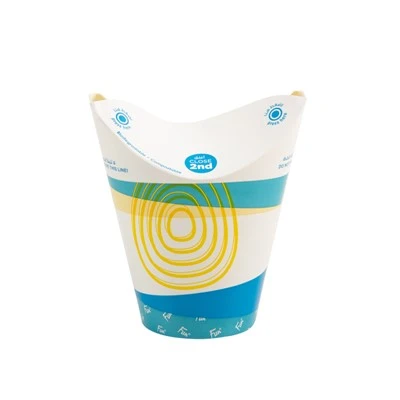
Let’s start with the most common use case: food service, where paper buckets have quietly replaced single-use plastic and styrofoam containers in most forward-thinking businesses. I’ve supplied thousands of 32-ounce and 64-ounce paper buckets to movie theaters, for example, that once relied on big plastic tubs for popcorn. The key difference here is that modern paper buckets are lined with a food-grade, water-resistant coating that works for both hot and cold items. A few months back, a regional BBQ chain ordered 10,000 128-ounce buckets to hold pulled pork, sides, and cornbread for their weekend catering. They told me their customers loved not having to switch containers halfway through a meal — one bucket held all their food, and it was easy to carry out to picnic tables or to-go bags. We also make smaller 16-ounce buckets for ice cream, and many of our bakery customers use them to hold cookie dough, cake pops, or even decorated sugar cookies for bulk orders. The rigid structure of paper buckets means they don’t collapse under the weight of thick, heavy foods, and the coated lining prevents grease from soaking through — a huge improvement over plain paper cups that would leak BBQ sauce onto customers’ hands.
But paper buckets aren’t just for savory or sweet foods. As a supplier focused on sustainability, I’ve seen a huge rise in demand for them in the agricultural and landscaping industries, where businesses are moving away from single-use plastic and bulky metal buckets. Local farmers use 5-gallon paper buckets to hold small produce like cherry tomatoes, strawberries, or even garlic bulbs at farmers’ markets. They tell me customers appreciate that the buckets are lightweight enough to carry around the market all morning, and when they’re done, they can compost them right at home. I also work with landscape companies that use smaller paper buckets to hold potted seedlings or soil amendments like potting mix. These buckets are strong enough to hold up to 20 pounds of soil, and since they decompose quickly when discarded, they don’t add to landfill waste the way plastic buckets do. Last year, a group of local arborists ordered custom-printed paper buckets to hold tree saplings they were giving away at a community Arbor Day event. The buckets’ smooth surface was easy to print on, so they added their logo and a short care guide for each sapling, turning a simple container into a useful promotional tool.
Event planning is another area where paper buckets have become a staple, and it’s one that’s really surprised me over the years. Whether it’s a wedding, a music festival, or a school fundraiser, paper buckets are versatile enough to adapt to almost any event. For weddings, many couples use mini paper buckets as centerpieces — fill them with wildflowers, tealights, or even small take-home favors like bath salts or homemade cookies. I’ve also supplied buckets for beer and wine festivals, where organizers use them to hold empty glasses so attendees can carry multiple drinks without needing extra hands. They’re lightweight, stackable for easy transport, and can be printed with event branding to make the whole experience feel more polished. For school fundraisers, like those where kids sell candy or popcorn, paper buckets are perfect because they’re affordable, durable, and can be customized with the school’s logo to help boost sales. A few years ago, a middle school in my area ordered 500 buckets for their annual fall fundraiser, and they sold out of popcorn and candy twice as fast as they did with plain plastic bags the year before. Teachers told me kids were proud to carry the branded buckets around the neighborhood, and parents appreciated that they were reusable for snacks at home.
What I think is most exciting, though, is the growing use of paper buckets in non-food, industrial applications where their durability and sustainability make them a better choice than traditional alternatives. Construction and renovation teams often use large paper buckets to hold small tools, screws, nails, or paint supplies on job sites. Unlike metal buckets, they don’t rust, and they’re lightweight enough to carry up ladders easily. Best of all, since they’re fully compostable, they don’t leave behind metal waste that has to be hauled away and recycled separately. I also supply paper buckets to pet care businesses, like grooming salons and pet daycares, that use them to hold pet toys, treats, or even small pet supplies like leashes and bandanas. One local groomer told me they keep a stack of mini paper buckets near the front desk, and use them to hold toys for dogs waiting for their appointments — it keeps the play area organized, and the buckets are cheap enough that they can toss them if they get dirty instead of having to wash and sanitize plastic bins every day. Even art classrooms have started using paper buckets to hold paintbrushes, water, and other art supplies, since they’re non-toxic, easy to clean, and don’t pose a safety risk if a kid knocks one over.
Of course, none of these uses would matter if paper buckets weren’t safe and functional, and as a supplier, that’s my top priority. When I first started out, I worked with manufacturers to test different coatings and materials to make sure our buckets could stand up to real-world use. For food applications, we only use FDA-approved linings that don’t leach chemicals into food, even when holding hot soup or greasy BBQ for hours. For heavy-duty uses, like holding 5-gallon buckets of soil or tools, we reinforced the bottom and sides with extra cardboard to prevent leaks or tears. We also invest in sustainable materials — all our paper buckets are made from 100% recycled cardboard, and they’re either compostable or recyclable, depending on the product line. That’s a big selling point for most of our customers, especially businesses that are trying to reduce their carbon footprint. A few months ago, a large catering company told me switching to paper buckets from plastic cut their single-use waste by 30% in just six months, which helped them attract more eco-conscious clients.
I’ll be honest, there are still people who ask me why they should choose a paper bucket over a plastic or metal one. For them, I always break down the practical benefits: they’re lighter, so they lower shipping costs and are easier for customers to carry; they’re more affordable for bulk orders, which is a huge plus for event planners and fundraisers; and most importantly, they don’t end up sitting in a landfill for hundreds of years. I remember a conversation I had with a festival organizer last summer who had been using plastic beer cups for years. He told me after switching to paper buckets for the event, they collected 90% of the used buckets for composting, instead of having half a ton of plastic cups that had to be sent to a recycling center that couldn’t process them. That’s the kind of impact that makes this work worth it for me.
Over the past five years, I’ve seen paper buckets evolve from a simple carnival food holder to a multi-use tool that serves almost every industry. Whether you’re a restaurant owner looking for leak-proof to-go containers, a landscaper needing lightweight produce holders, an event planner looking for affordable, branded promotional items, or a construction team needing durable, compostable tool holders, there’s a paper bucket that fits your needs. No matter what you’re using them for, the best part is that each bucket is small step toward reducing waste, one container at a time.

If you’re looking to switch to paper buckets for your business, or have questions about which size or type is right for you, don’t hesitate to reach out. We work with businesses of all sizes, from small local cafés to large event companies, to create custom paper buckets that meet your specific needs and budget. We can help with bulk orders, custom printing, and even design recommendations to make sure your paper buckets work as hard for your business as you do.
Paper Bowls References
- Sustainable Packaging Coalition. (2022). Paper Packaging: Performance and End-of-Life Outcomes. Sustainable Packaging Coalition Report.
- U.S. Food and Drug Administration. (2021). Guidance for Industry: Food Contact Substances for Paper and Paperboard. FDA Center for Food Safety and Applied Nutrition.
- National Restaurant Association. (2023). Single-Use Packaging Trends: 2023 Industry Guide. National Restaurant Association.
- Outdoor Industry Association. (2022). Eco-Friendly Event Supplies: Best Practices for Waste Reduction. Outdoor Industry Association Report.
- Compost Manufacturing Alliance. (2021). Standards for Compostable Packaging: Testing and Certification. Compost Manufacturing Alliance Guidelines.
Wuhan Green Treasure Industry & Trade Co., Ltd.
As one of the most professional paper bucket suppliers in China, we also support customized service and OEM service. We warmly welcome you to buy durable paper bucket made in China here from our factory. If you have any enquiry about free sample, please feel free to email us.
Address: T4-1106Dream Zone, No.9 Hongtu 1st Road, Dongxihu District , Wuhan, China.
E-mail: info@greentreasured.com
WebSite: https://www.greentreasured.com/
