If you’ve ever wandered down the hardware aisle trying to pick the right fittings for a quick plumbing or mechanical fix, you’ve probably stumbled across two main measurement systems: metric and imperial. And if you’re working with rapid fittings—those quick-connect, no-fuss parts that cut down installation time—choosing the wrong system can turn a 5-minute job into a 2-hour headache. As someone who’s spent years supplying rapid fittings to plumbers, maintenance techs, and even small manufacturing teams, I get how confusing this can be. Let’s break it down simply, no jargon, no stuffy rules, just real talk about what makes metric rapid fittings different from imperial, and why it actually matters for your next project. Rapid Fittings
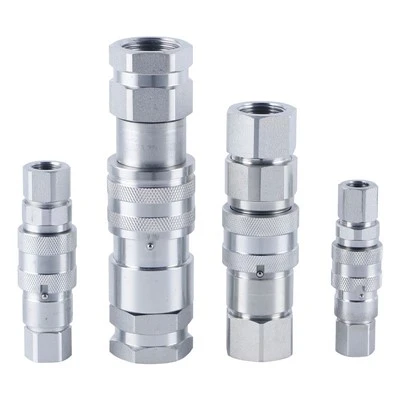
First, let’s get the basics straight. Imperial, for anyone who’s not sure, is the old-school system used a lot in the U.S. (and a handful of other countries) that uses inches, feet, pounds, and gallons. Metric is the global standard—used everywhere else—based on millimeters, meters, grams, and liters. But when it comes to rapid fittings, it’s not just swapping “inches” for “millimeters.” These parts are designed to lock in place fast, seal tightly, and fit specific connections, so their measurements are tied directly to how they work, not just a random number on a ruler.
Let’s start with rapid fittings themselves. They’re those connectors you see on air hoses, water lines, hydraulic systems, even some food and beverage equipment. The “rapid” part means no tools, no threading, just push and click. So their core measurements have to match the fittings they connect to—and that’s where metric vs imperial hits different. Imperial rapid fittings usually use nominal sizes. A 1/4-inch imperial fitting, for example, doesn’t measure exactly 1/4 inch across. It’s a nominal size that corresponds to the internal diameter (ID) of the pipe it fits, but because imperial uses fractions, there are tiny gaps between common sizes. That’s why you’ll sometimes see things like 3/8-inch vs 13/32-inch—those are both imperial, and even though they look close, they won’t fit together properly. It’s easy to mix them up, especially if you’re working off a hand-me-down part with faded markings.
Metric rapid fittings? Most use actual millimeter measurements, so a 6mm fitting is almost exactly 6mm across. That might sound simpler, but there’s a catch: metric uses standardized series, like the DIN series for hydraulic fittings or the JIS series for Japanese-made parts. These series have consistent spacing between sizes, so there’s less guesswork. A 8mm metric fitting will always fit an 8mm line from a compatible manufacturer, no wondering if it’s “close enough.” That consistency is a big deal if you’re ordering parts for a big job—you don’t want to run to the store halfway through because you grabbed the wrong fraction-sized imperial fitting and it won’t connect.
Now, let’s talk about real-world use cases, because that’s where it clicks. If you’re a plumber in the U.S. working on residential repairs, odds are you’re used to imperial. Old pipe fittings in houses built before the 1990s are almost always imperial, so rapid fittings for those jobs need to match. I’ve had so many customers come to me frustrated because they bought an imperial rapid fitting online that said “1/2-inch” but didn’t fit their 1/2-inch copper pipe—turns out, some sellers skip the nominal ID and just measure the external diameter (ED), so it’s off by a millimeter and leaks. That’s the mistake with imperial: the nominal size isn’t always the actual size, so you have to check both ID and ED to get it right.
But if you’re working on machinery, industrial equipment, or anything that’s been imported from Europe, Asia, or most other parts of the world, metric is the way to go. A lot of newer manufacturing equipment uses metric connections, so rapid fittings that match those mean no adapting, no extra parts. Last month, a customer who runs a small food processing plant called me because his old rapid fittings were breaking on a new packaging line—all metric, and he couldn’t find replacements fast enough. He ordered our metric rapid fittings, and the install took 10 minutes, no modifications needed. That’s the other thing about metric: because it’s a universal system, replacement parts are easier to find across brands, especially for industrial stuff.
Wait, but what about confusion between the two? A lot of people mix up the sizes, even pros. For example, a 1/4-inch imperial fitting is roughly 6.35mm, and a 6mm metric is just a tiny bit smaller. They’re close enough that some sellers will try to pass them off as interchangeable, but they’re not. Trying to force a 6mm metric fitting onto a 1/4-inch imperial line will damage the O-ring, cause leaks, and ruin both parts. I’ve seen that happen more times than I can count—people cut corners by guessing, and end up wasting time and money on replacements. The best rule of thumb: if your existing lines or fittings have fractions (1/8, 3/16, 1/2), go imperial. If they have whole numbers or decimals (4mm, 10mm, 12mm), go metric. That’s a simple way to avoid mistakes.
Now, let’s get into the pros and cons of each for rapid fittings, because it’s not like one is always better. Imperial rapid fittings: pros are that they’re deeply ingrained in U.S. residential and older industrial markets, so there’s a huge supply chain for them, and if you’re working on super old equipment, they’re almost always the only option. But cons? The nominal size trickery means more room for error, less consistency between brands, and they don’t play nice with global parts. For example, if you need a replacement for a German-made air compressor, it’s going to be metric, not imperial.
Metric rapid fittings: pros are consistent measurements, universal compatibility for most modern equipment, less room for human error because sizes are actual millimeters, and they’re more compact often—great for tight spaces, which is a big deal in manufacturing setups. The main con? If you’re in the U.S. working on residential plumbing, metric is way less common, so you might have to order it instead of grabbing it from a local hardware store. But that’s where suppliers like me come in—we stock both, so you don’t have to wait for international shipping if you need metric, or deal with the imperial size mess.
Another thing people don’t talk about: precision and pressure. Rapid fittings are often used for hydraulic or pneumatic systems, which need to hold pressure without leaking. Metric rapid fittings are machined to tighter tolerances, thanks to the metric system’s standardized manufacturing specs. That means they seal better under high pressure, which is why they’re the go-to for heavy industrial work. Imperial rapid fittings, while still reliable, have a bit more variance in their machining because the fractional system leaves less room for exact measurements. For example, a 1-inch imperial fitting might have a tolerance of 0.005 inches, while a 25mm metric fitting has a tolerance of 0.02mm—tiny difference, but it adds up when you’re dealing with 100 PSI or more.
Wait, let’s make this relatable with a quick story. Last quarter, we had a customer who runs a small auto repair shop. He was working on a 1980s pickup truck, so all the brake lines were imperial. He tried to use a random metric rapid fitting he had lying around to fix a quick leak, and it didn’t fit—ended up dropping the line and breaking the connector, which meant he had to replace the whole line, costing him $150 and a half day of work. Then he ordered the correct imperial rapid fitting from us, and the fix took 5 minutes, no extra parts. That’s exactly why getting the right measurement system matters: it’s not just about size, it’s about saving time and money on the job.
On the flip side, a customer who owns a custom woodworking factory ordered metric rapid fittings for his air tools. He said his old imperial fittings kept slipping off the air hoses mid-job, which was dangerous when he was running a saw. The metric ones lock more securely because the size is exact, so they don’t vibrate loose like the imperial ones did. He saved on downtime, which is huge for a factory—each minute of downtime costs him money, so rapid, reliable fittings that fit right make all the difference.
Now, what about when you’re just starting out and don’t know which system to use? If you’re replacing an old fitting, check the markings on the part itself—most rapid fittings are stamped with the size and measurement system. If it’s a fraction, go imperial; if it’s mm, go metric. If you’re building something new, check the tools and equipment you’re using. Most modern power tools, air compressors, and industrial machinery use metric connections, so unless you’re specifically matching old U.S.-style parts, metric is a safe bet.
One common myth I hear all the time: “metric is only for fancy international stuff.” No way. A lot of U.S.-made manufacturing equipment built in the last 20 years uses metric too, just because it’s more precise. I’ve had customers who work on aerospace and medical parts, both made in the U.S., order metric rapid fittings because they need that tight tolerance. It’s not about where the part is made, it’s about what fits your existing system.
So, to wrap this up: the key difference between metric and imperial rapid fittings isn’t just the number you see. It’s how the measurements work—imperial uses nominal fractional sizes that can be tricky to match, metric uses actual millimeters with standardized series for consistency. It’s about use case: imperial for U.S. residential and older equipment, metric for modern industrial, global, and tight-tolerance jobs. And it’s about avoiding mistakes: skip the guesswork, check the markings on your existing parts, and you’ll save time, money, and headaches.
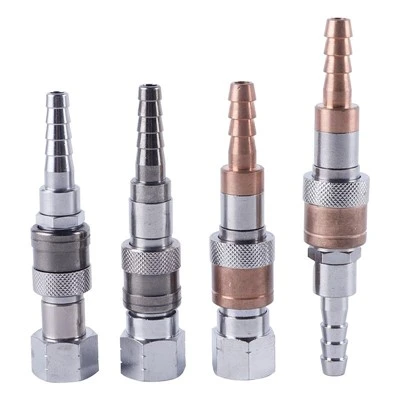
If you’re not sure which rapid fitting you need—whether you’re replacing a broken part, building a new system, or switching from imperial to metric to make your job easier—we’re here to help. We stock a full range of both metric and imperial rapid fittings, all machined to meet industry standards, so you can get the right part on your timeline. Don’t waste another day fighting with ill-fitting parts or leaks. Reach out to our team to talk through your project, get a recommendation, and place your order today.
American Type Pneumatic Quick Couplings References
- National Institute of Standards and Technology. (2022). U.S. Metric Use in Industry. Retrieved from NIST.gov
- Parker Hannifin Corporation. (2021). Quick Connect Fitting Standards: Metric vs. Imperial. Retrieved from Parker.com
- Plumbing-Heating-Cooling Contractors Association. (2023). Residential Fitting Measurement Guidelines (U.S. Market). Retrieved from PHCCNews.org
- International Organization for Standardization. (2020). ISO 4391: Hydraulic fluid power – Quick-action couplings. Retrieved from ISO.org
Cixi Poolke Hydraulic Pneumatic Co., Ltd.
Cixi Poolke Hydraulic Pneumatic Co., Ltd. is one of the most professional rapid fittings manufacturers and suppliers in China, also supports customized service. Please feel free to wholesale the newest rapid fittings made in China here from our factory. Quality products and reasonable price are available.
Address: #88 Zhengtong Road, Kandun Industrial Park315303, Cixi, Zhejiang, China
E-mail: contact@poolke.com
WebSite: https://www.poolkecouplings.com/
