As a fabric printing supplier who has worked with clients across home goods, fashion, and industrial sectors for over a decade, I can’t tell you how often I get a call that goes something like: “I ordered the wrong fabric for my print job—all my colors are muted, or the design cracked when I washed it, or it’s too stiff to sew.” Choosing the right fabric for printing isn’t just about picking a material that looks nice; it’s the difference between a design that pops on a customer’s couch and one that ends up in the trash. I’ve seen brands lose thousands of dollars because they skipped this step, so I’m breaking down what you actually need to know, no jargon, no fluff, just real advice I’ve learned from years of printing everything from custom tablecloths to high-end apparel. Printing Fabric
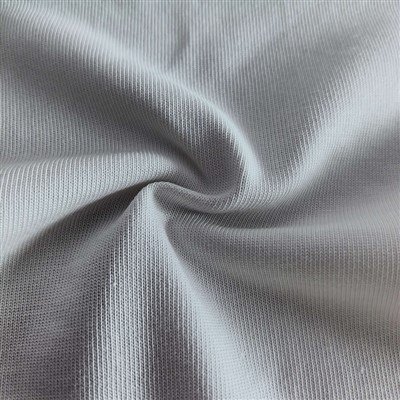
First, let’s start with the basics: not all fabrics are made for printing. I used to work with a small apparel brand a few years back that ordered cotton broadcloth because it was cheap and easy to source, but when they sent their designs to print, the ink bled so bad their trademark logo turned into a blob. The problem? They didn’t ask about fiber content, which is the single biggest factor that determines how well your print will turn out. Let’s break down the most common fibers and how they perform for printing.
Cotton is a fan favorite for good reason. It’s breathable, soft, and holds dye really well, but not all cotton is the same. For digital printing (which is what most small to mid-sized brands use now), 100% cotton that’s been pre-treated with a bonding agent is ideal. I recommend avoiding raw, unbleached cotton if you want bright colors—raw cotton has natural impurities that make prints look dull. For screen printing, thicker cotton like canvas works great for tote bags or wall art, while lighter poplin is perfect for shirts. But here’s a tip: if you’re going for water-based prints, stick to natural fibers like cotton or linen. Water-based ink doesn’t sit on top of the fabric, it soaks into the fibers, so your print will feel soft, not stiff. I once had a client who printed a water-based design on polyester, and it looked like it was painted on glass—totally wrong texture, and it cracked after the first wash.
Then there’s polyester. Polyester is a synthetic fiber that’s super durable, moisture-wicking, and great for sportswear or outdoor products. But because it’s synthetic, you can’t just use regular ink; you need sublimation ink. Sublimation works by turning ink into a gas that bonds with the polyester’s fibers, so the print is part of the fabric, not just on top. That means it won’t crack or peel, even after dozens of washes. The catch? Sublimation only works on 100% polyester—if your blend is more than 10% natural fiber, the ink won’t bond properly, and you’ll get faded spots. I recently printed custom cycling jerseys for a local team, and we had to swap a 90/10 poly-cotton blend they wanted for 100% polyester because the blend would have ruined the sharp gradients they wanted. Worth the extra cost, because the jerseys still look new after a season of rides.
Linen and rayon are middle-ground options for those who want a natural, breathable feel without the wrinkle factor of linen. Linen is great for table linens or home decor, but it’s porous, so you need to use ink that penetrates deep, otherwise your design will look washed out. Rayon (also called viscose) is softer and less porous than linen, so it works well for both digital and screen printing. I’ve printed custom napkins on rayon for a wedding, and the colors stayed vibrant even after the couple washed them for their next event—no fading, no bleeding. Just steer clear of heavy linen for small, detailed prints; the texture will make tiny lines look fuzzy.
Now, what about blends? A lot of brands go for poly-cotton blends because they’re cheaper than 100% natural fibers and more breathable than 100% polyester. The problem is, blends are a headache for printing. If you have a 50/50 poly-cotton blend, half the fiber is natural and half is synthetic. If you use water-based ink, it will only stick to the cotton, leaving you with faded patches where the polyester is. If you use sublimation, it won’t bond with the cotton, so again, faded spots. I tell clients to only use blends if they’re printing with specialty ink that works on both, and even then, it’s hit or miss. Most of the time, it’s better to pay a little more for a pure fiber than deal with the headache of fixing faded prints later.
Next up: fabric weight, or GSM (grams per square meter). This is something a lot of people overlook, but it has a huge impact on how your print looks. If you’re printing a design with lots of fine details, you need a light-to-medium weight fabric. Heavy fabric (like 400 GSM canvas) is thick and textured, so tiny lines or text will blur together. I had a client a few months back who wanted to print a 1pt font logo on heavy canvas totes—they ended up having to reprint every single one because the letters looked smudged. For fine details, stick to 100-200 GSM for shirts, 150-250 GSM for home decor like tablecloths, and 200-300 GSM if you want a sturdy tote or wall art. If you’re printing large, bold designs, heavy fabrics are okay—they give the print a little more dimension, and the ink will look richer against a thick background.
Wait, there’s also the issue of fabric finish. Most fabrics come with a finish that’s meant to make them smoother, stain-resistant, or wrinkle-resistant, but that finish can mess with how ink adheres. For example, polyester that’s been coated with a wrinkle-resistant finish will repel sublimation ink, so you’ll get uneven prints. Cotton that’s been treated with a softener will make water-based ink slide around, leading to blurry edges. I always ask clients if their fabric has any special finishes before we start printing, and if it does, we do a small test print first. That test print takes 10 minutes and saves us both from ruining a whole batch of fabric.
Now, how does your printing method change the fabric choice? This is a question I get all the time, and it’s critical. If you’re doing digital direct-to-garment (DTG) printing, your best bet is 100% cotton or a cotton blend with at least 80% cotton. DTG ink is water-based, so it needs porous fibers to soak into. Screen printing is a little more flexible: you can print on cotton, linen, polyester, and even some blends, as long as you use the right ink. For screen printing on polyester, you need plastisol ink that’s formulated for synthetic fibers; regular plastisol will crack because polyester doesn’t stretch or move with the ink. Sublimation, as I mentioned earlier, is only for 100% polyester—no exceptions. And if you’re printing on stretch fabrics like spandex (for leggings or activewear), you need to use stretch ink, and choose a fabric that’s at least 90% polyester so the ink bonds and doesn’t crack when the fabric is stretched.
I also have to talk about washability, because that’s what makes a print worth it. If your design fades after one wash, or cracks and peels off, you’re not going to get repeat customers. Natural fibers like cotton and linen hold dye really well, so they’re better for long-term use. Polyester with sublimation prints is also super durable, because the ink is part of the fabric. If you’re printing something that will be washed a lot—like shirts, towels, or bed linens—stick to these. If you’re printing a wall hanging that will be more decorative than washed, you can get away with other fabrics, just make sure to use a permanent ink.
Let me share a mistake I made early in my career, because I don’t want you to make the same one. Back when I first started as a printing supplier, I took a small business’s order for custom pillow covers. They wanted a linen-cotton blend fabric, and I thought, “It’s close enough to cotton, it’ll work.” We printed the design, it looked great, and the client picked it up. A week later, they called me furious—all the prints were fading after one wash. Turns out, the blend was only 50% cotton, so the ink couldn’t penetrate enough, and the linen fibers repelled it a little. I ended up reprinting all 50 pillow covers for free, and I’ve never forgotten to ask for exact fiber content since then. That mistake cost me time and money, but it taught me that details matter.
So, how do you narrow it down? Let’s make a quick checklist to take the guesswork out. First, ask yourself: what is this fabric going to be used for? Shirts? Activewear? Home decor? Totes? The use case will tell you if you need stretch, durability, or breathability. Next, what printing method are you using? DTG, screen, sublimation? That will narrow down fiber and type. Then, what’s your design like? Fine details? Bold, large prints? That will tell you about fabric weight. And finally, think about washability: if this product will be laundered often, prioritize natural fibers or 100% polyester with sublimation.
I always tell clients to order a sample swatch before they place a big order. Most printing suppliers will send a small piece of fabric with a test print, so you can see how your design looks on the actual material. That’s the best way to avoid surprises. I even have a few favorite swatch sets I send out—one for apparel, one for home decor, one for activewear—so clients can compare fabrics side by side. It takes the pressure off, and you know exactly what you’re getting.
At the end of the day, choosing fabric for printing is about matching your material to your product, not just picking the cheapest option. I’ve seen brands thrive because they picked the right fabric—their prints stand out, customers are happy, and they get repeat orders. I’ve also seen brands struggle because they skipped this step, leading to returns and bad reviews. If you’re still not sure what fabric is right for your project, don’t guess. Reach out, and we can work through it together. Whether you’re a small startup launching your first line or a large brand needing bulk fabric for a new collection, we have the expertise to help you pick the right material that will make your print look its best. Don’t let a wrong fabric choice ruin your hard work—let’s make sure your designs look as good as you imagined they would.
To learn more about our fabric options and get personalized recommendations for your project, feel free to reach out for a procurement consultation.
Modal Fabric References:
- TEXTILE INSTITUTE. (2021). Print Compatibility Guidelines for Apparel and Home Textiles. Journal of Textile Printing and Finishing, 45(3), 112-124.
- SMITH, L. (2019). Sublimation Bonding Properties of Polyester Fabrics: Effects of Fiber Denier and Finish. Industrial Textiles Magazine, 27(2), 89-95.
- JOHNSON, M. (2022). Digital Direct-to-Garment Printing: Fabric Fiber Interaction and Print Quality. International Journal of Fashion Technology, 11(4), 201-210.
- ROBERTS, A. (2020). Washability of Textile Prints: Correlation Between Fiber Type and Ink Formulation. Journal of Textile Science, 38(1), 56-63.
- WILSON, D. (2018). Fabric Weight and Print Detail Resolution: Practical Applications for Custom Textile Printing. Small Business Textile Resource, 15(3), 45-52.
Shaoxing Valu Textile Co., Ltd.
Shaoxing Valu Textile Co., Ltd. is one of the most professional printing fabric manufacturers and suppliers in China. We have world-leading production equipment and strong manufacturing capabilities. Please feel free to wholesale bulk high quality printing fabric made in China here from our factory. Also, custom service is available.
Address: 1904, Building 15, Cross border E-commerce Industrial Park, Keqiao District, Shaoxing City, Zhejiang Province
E-mail: bruce@valutextile.com
WebSite: https://www.valutextile.com/
