Hey there, fellow parents and caregivers! Let’s be real—when it comes to our kids’ daily essentials, their water bottle is probably one of the most used (and most overlooked) items in their backpacks. I’m [Name], and as someone who runs a kid’s water bottle company, I talk to parents every single week who panic after noticing a weird, fuzzy spot in the bottom of their kid’s bottle. Mold. It’s the stuff of nightmares, right? But here’s the good news: preventing it isn’t rocket science, and it’s totally doable with a few simple, consistent steps. No more stressing over those tiny, hidden crevices—let’s break this down like we’re chatting over coffee. Kid’s Water Bottle
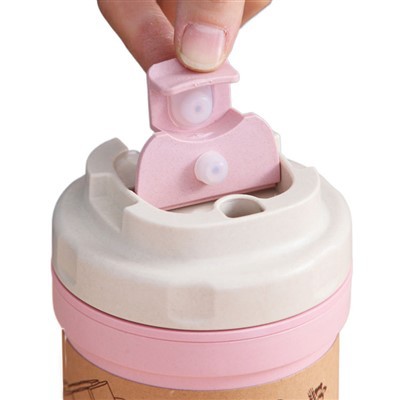
First off, why do kid’s water bottles get moldy so easily? Kids (let’s be honest, some grown-ups too) aren’t exactly thorough when it comes to cleaning. They leave a little sliver of water at the bottom, stuff the bottle back into their backpack, and it sits there—warm, dark, and damp. That’s mold’s perfect playground. Mold spores are everywhere, floating in the air, and they just need moisture and a food source (like leftover milk, juice, or even just tiny bits of saliva) to grow. For kids, bottles with straws, flip-top lids, or narrow necks are extra tricky because those parts have nooks and crannies that are easy to miss when rinsing quickly. As a brand that makes kid’s bottles, we’ve designed ours with these pain points in mind, but even the best bottle won’t stay mold-free if you skip the basics.
Let’s start with the daily cleaning habit—this is non-negotiable, guys. I know, I know—after a long school day, sports practice, or playground run, the last thing you want to do is scrub a bottle. But here’s a quick hack: if you rinse it out right when your kid gets home, it takes 30 seconds, not 10 minutes. Skip the “I’ll do it tomorrow” excuse—tomorrow never comes, and that’s how mold takes hold. Wait, but what about what to use? Dish soap works totally fine, but avoid anything super harsh with strong fragrances or chemicals. We’re all about safe products for our little ones, so stick to mild, food-safe dish soap. And don’t just fill it with soapy water and swish—take the lid apart. Straws, flip valves, and the seal ring? Those have to come off every single time. I see so many parents forget the straw’s inner channel, which is where 90% of the mold hides. Pro tip: for straws, use a tiny bottle brush (we actually sell these as an add-on kit with our bottles, because they’re a game-changer) to push through the inside and scrub away any gunk.
Then there’s deep cleaning. Even if you do daily rinses and quick washes, a deep clean once a week is essential. This is where a lot of people go wrong—they just put the bottle in the dishwasher. Wait, hold on—let’s talk about that. Not all kid’s water bottles are dishwasher-safe. Some of the soft silicone parts (straws, flip seals) can warp or break down in high heat, which not only makes them less effective but also creates more places for mold to grow. Check your bottle’s label! Ours are dishwasher-safe on the top rack, but we still recommend hand-washing the small parts to be safe. If your bottle isn’t dishwasher-safe, here’s a super easy deep clean: fill the bottle with warm water, add a drop of dish soap, and let it soak for 15 minutes. For extra grime, throw in a teaspoon of baking soda—its mild abrasiveness cuts through buildup without scratching the bottle. And for those stubborn, hard-to-reach spots, let the bottle brush do the work. Don’t forget to dry it completely after cleaning—another big mistake people make is putting the bottle back in the cabinet damp. Mold loves dampness, so air-drying is key. We always tell parents to prop the lid open and set the bottle upside down on a dish rack, or use a bottle drying rack that lets air circulate all the way around.
Now, let’s talk about avoiding common shortcuts. What about leaving water in the bottle overnight? Yeah, that’s a no-go. Even plain water can have tiny mineral deposits that mold feeds on, and if it sits in a warm bottle all night, spores can start growing in as little as 24 hours. If your kid forgets their bottle at school, don’t just refill it the next day—rinse it out first. And what about flavored drinks? Juice, milk, sports drinks—those are way more likely to cause mold because they have sugar and nutrients. If your kid is using their bottle for anything other than plain water, make sure you clean it immediately after use. I’ve had a parent tell me they let their kid use juice in the bottle for two days straight—yikes, that’s a surefire way to get mold.
Another thing to consider: replacing parts when they’re worn out. The seal rings, straws, and even the flip-top lids can get scratched or stretched over time. Those scratches are tiny little homes for mold that regular cleaning can’t reach. We recommend replacing the small parts every 3-6 months, depending on how often you use the bottle. It’s way cheaper than having to replace the whole bottle, and it keeps the inside safe for your kid. As a brand, we sell replacement parts so you don’t have to buy a new bottle every few months—we get it, that’s not budget-friendly.
Wait, what if you already have a moldy bottle? Don’t panic—you can clean it, but make sure you do it right. First, take the bottle apart completely. Soak all parts in a mixture of equal parts white vinegar and warm water for 30 minutes. Vinegar is a natural mold killer, way safer than bleach for kids’ stuff. After soaking, scrub every nook with the bottle brush, then rinse really well with warm water. Let it dry completely before using again. If there’s still a stain or mold spot, you can add a little baking soda to the scrubbing—just don’t use anything abrasive like steel wool, which can scratch the bottle and create more hiding spots for mold.
As someone who’s been in the kid’s water bottle business for years, I’ve heard every question in the book: “Can I use a microwave to clean it?” No, please don’t. Microwaving can warp the plastic, release chemicals, and uneven heat means it won’t kill all the mold spores. “What about antibacterial wipes?” Sure, a quick wipe on the outside is fine, but the inside needs proper cleaning—wipes don’t get into straws or crevices.
Here’s a quick checklist you can stick to every week to make sure you’re not missing anything: 1) Rinse the bottle right after use, 2) Disassemble all parts (lid, straw, seal) and wash with soap, 3) Scrub straws and neck crevices with a bottle brush, 4) Dry completely upside down, 5) Do a deep soak with vinegar/baking soda once a week, 6) Check parts for wear and replace as needed.
Look, I get that parenting is chaotic. Some days, you’re juggling homework, dinner, and a pile of laundry—remembering to clean a water bottle is just one more thing on your list. That’s why our bottles are designed to make this easier: wide mouths for easy cleaning, dishwasher-safe main parts, and BPA-free materials that are resistant to mold buildup. But even with the best design, consistency is key. It’s not about being perfect—it’s about making these small steps a habit, just like brushing your kid’s teeth.
If you’re a school, daycare, or even a big box store looking to stock kid’s water bottles for your community, we’d love to chat. We make durable, safe, and easy-to-clean bottles that parents actually rely on, and we’re here to work with you on custom orders or bulk purchases. Don’t hesitate to reach out to our team to start a conversation about what you need.
At the end of the day, your kid’s health is the top priority, and preventing mold in their water bottle is a simple way to keep them happy and healthy. With these tips, you’ll never have to panic over that fuzzy spot again. Let’s make those water bottles work for us, not against us—one clean, dry rinse at a time.
Stainless Steel Water Bottle References:
- Centers for Disease Control and Prevention. (2022). Mold Prevention and Cleanup in Indoor Spaces.
- Environmental Protection Agency. (2021). Health Effects of Mold Exposure in Homes.
- Journal of Food Protection. (2019). Microbial Contamination of Reusable Water Bottles: A Review of Risks and Prevention Strategies.
- American Academy of Pediatrics. (2020). Safe Storage of Children’s Food and Beverage Containers.
Polywell International
Polywell International is one of the most professional kid’s water bottle manufacturers and suppliers in China, featured by quality products and good price. Please rest assured to buy advanced kid’s water bottle made in China here and get quotation from our factory. Customized orders are welcome.
Address: Building 3, Chengzhou Industrial Zone, No.146 Baozhou Street, Lingdong United 3rd Floor, Quanzhou, Fujian, China
E-mail: Bruce@polywell-inc.com
WebSite: https://www.cndrinkware.com/
