Can Adult Underpads Be Used On A Regular Bed?
When I first started working as an adult underpad supplier five years ago, I got asked one question more than any other by both customers and even some healthcare workers: “Can adult underpads be used on a regular bed?” At the time, I’d only seen these products in hospitals, placed on specialized medical beds with waterproof surfaces. But as I spoke with more people—from elderly folks trying to keep their home beds clean to caregivers dealing with long-term patients—I realized this question is about far more than just yes or no. It’s about practicality, comfort, cost, and what these products are actually designed to do. Today, I want to break down not just whether you can use adult underpads on a regular bed, but when it makes sense, when it doesn’t, and what to consider if you do. Adult Underpad
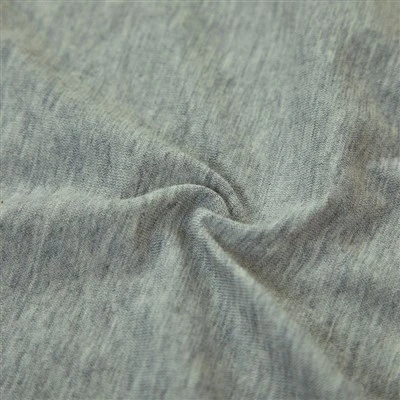
First, let’s get clear on what adult underpads are. For those who might not know, adult underpads (also called bed pads or chux mats for those who’ve been in healthcare) are absorbent sheets designed to protect surfaces from liquid, usually urine, feces, or accidental spills. They’re made with a top layer that’s soft against skin, an absorbent core that locks in moisture, and a bottom layer that resists leaks—though not always fully waterproof, that’s an important distinction. Early on, I thought these were strictly for medical settings: hospital beds, nursing home matresses, the occasional hospital bed at home. But over time, I’ve seen customers use them everywhere from regular bedroom beds to couches, even on office chairs. So why would someone put one on a regular bed?
The most common reason is accidental incontinence. For adults dealing with age-related bladder control issues, post-surgery recovery, or conditions like Parkinson’s or multiple sclerosis, a regular bed can feel like a risk. You don’t want to ruin your expensive mattress—something you might have saved up years to buy—because of a small accident. Caregivers also turn to underpads to cut down on laundry. Washing a mattress cover every time there’s a spill is way more work than removing an underpad and replacing it with a new one. That makes sense, right? But here’s where things get complicated: regular beds aren’t made the same as medical beds, and underpads might interact differently than you’d expect.
Let’s start with the practical side: can you physically place an adult underpad on a regular bed? Absolutely. They come in all sizes, from small 23×36 inch pads that fit on a single bed’s top sheet to large 36×72 inch covers that almost fully cover a king-size mattress. Most regular beds have fitted sheets that hold everything in place, so an underpad will lie flat if you tuck the edges under the mattress. But here’s the catch with regular beds: they don’t have the same firm, smooth surface that medical beds do. Many regular mattresses have pillow-top layers, memory foam, or other soft, porous materials that can hold moisture longer than a hospital’s vinyl or polyurethane medical mattress. That changes how the underpad works.
From a science standpoint, let’s talk about absorbency and breathability. Adult underpads work by using superabsorbent polymers (SAP) in their core—those are the little beads that soak up liquid and turn it into a gel. On a medical bed, the bottom layer is often a thin, smooth polyethylene that prevents liquid from seeping through. On a regular bed, if your mattress has a porous fabric cover, even a good underpad’s bottom layer might let small amounts of moisture seep through over time, especially if the pad is fully saturated. That’s not the underpad’s fault—it’s the mattress’s design. Medical mattresses are made to repel liquid, so they pair well with underpads. Regular beds aren’t, so you have to choose the right underpad for the job.
Then there’s comfort. I’ve had customers tell me they used thin, disposable underpads on their regular bed and ended up with a bunch of rustling, crinkly noise every time they turned over at night. That’s a big one—bad sleep from a noisy pad is a trade-off no one wants. But not all underpads are the same. As a supplier, we offer both disposable and washable underpads, and I’ve found that washable underpads made with a cotton terry top layer are way more comfortable on a regular bed than thin disposable ones. They’re soft, they don’t crinkle, and they’re reusable if you have a mild incontinence issue. Disposable ones work better for heavier cases, but they’re not as cozy for everyday use.
Wait, but what about long-term use? Can you use adult underpads on a regular bed every single night? That’s where I have to be honest with customers. It depends on your needs. If you have mild to moderate incontinence, using a washable underpad can extend the life of your regular mattress by years. I have an elderly customer who’s been using our 36×36 inch washable underpad on her twin bed for three years now, and her mattress looks almost brand new. She says it’s way cheaper than replacing a mattress every couple of years because of spills. But if you have severe incontinence—like multiple accidents a night—you might want to rethink this. Even the most absorbent underpad can only hold so much. If it’s fully saturated, the moisture will seep through to the mattress, and that’s when you start dealing with mold, mildew, and odors. That’s a problem no one wants on their regular bed.
Another thing to consider: bed sheets. A lot of people layer their sheets, right? You have a fitted sheet, a top sheet, maybe a blanket. If you put an underpad directly on the mattress, it will shift when you toss and turn, especially if it’s a disposable one with a slippery bottom layer. I’ve had customers tell me they’d wake up with the underpad bunched up at the foot of the bed, leaving the middle of the mattress exposed. That’s annoying, but easy to fix. If you put the underpad between the top sheet and your blankets, it won’t shift as much. Or, if you want to keep it closer to the mattress, use a non-slip underpad—many of our washable ones have a silicone grip on the bottom that sticks to the mattress, so it stays in place all night.
Now, let’s talk about the downsides. I don’t want to make it sound like adult underpads are a perfect solution for regular beds. For one thing, some people find that even the best underpads can trap moisture against their skin. If you have sensitive skin, that could lead to irritation or rashes. Disposable underpads, in particular, can be less breathable than washable ones, so if you’re using them every night, you might want to choose a hypoallergenic, breathable option. As a supplier, we test all our underpads for breathability, and we have a line specifically for people with sensitive skin—they’re worth looking into if that’s a concern.
Another downside is cost in the long run. If you use disposable underpads every day, that adds up fast. A pack of 50 medium disposable underpads might cost $20, so that’s about $0.40 per use. If you use two a day, that’s $28 a week, over $1,400 a year. Washable underpads are a bigger upfront cost—our medium washable ones are around $15 each—but you can wash and reuse them dozens of times, so over a year, they’re way cheaper. That’s something I always tell customers to think about before they stock up on disposables. They’re great for travel or occasional use, but for regular bed use, washable is more economical.
Wait, there’s also the question of hygiene. Some people worry that using an underpad will make their bed less clean, but actually, it’s the opposite. If you have incontinence, keeping a regular bed clean is hard. An underpad catches the spills, so you don’t have to scrub your mattress every time there’s an accident. But you do have to change or wash the underpad regularly. If you leave a soiled underpad on your bed for hours, that can lead to bacteria growth and odors. That’s a key point: adult underpads are not a set-it-and-forget-it product. They need to be changed or washed after use, just like your regular sheets.
Let me share a real story from a customer of mine, Maria, who lives in Chicago. Her 82-year-old mother has Alzheimer’s, and she was struggling to keep her mom’s regular queen bed clean. Her mom would have accidents at least once a night, and Maria was washing the mattress cover every week, which was a hassle. When she came to me, she was asking if she could use adult underpads. I suggested a combo: use a large washable underpad on the mattress, and a thin disposable one on top of that for heavier nights. She tried it, and a month later she emailed me to say it was a game-changer. She only had to wash the big underpad once a week, and the disposable one just got tossed after use. Her mom’s bed stayed clean, and the mattress didn’t have any more stains. That’s the kind of result I hear all the time when people use underpads on regular beds the right way.
But when is it not a good idea to use adult underpads on a regular bed? If you don’t have incontinence issues, obviously. Putting an underpad on a regular bed just because you’re worried about spills is unnecessary and can make your bed feel less comfortable. Also, if you have a luxury mattress—like a high-end memory foam or latex mattress that’s very expensive—you might want to invest in a proper waterproof mattress protector instead of an underpad. Mattress protectors are designed to fit the entire mattress, and they’re often more durable than a regular underpad. But if a mattress protector is out of your budget, underpads work as a cheaper alternative in the short term.
Another case where underpads aren’t ideal: if you share your bed with a partner. A lot of people don’t realize that some underpads are noisy, and even the soft ones can create a barrier between you and your partner. If that’s a concern, look for ultra-quiet, thin underpads that are designed to be less intrusive. We have a line of “quiet bed pads” that customers with partners rave about—they’re so thin you barely feel them, and they don’t make any rustling noise when you move.
Now, let’s get into what to look for if you do decide to use adult underpads on a regular bed. First, size. Measure your regular mattress before you buy. A twin mattress is 39×75 inches, a full is 54×75, queen is 60×80, king is 76×80. Make sure the underpad you choose is at least as big as the sleeping surface—you don’t want it too small, because it won’t cover the areas where spills happen. Second, type: disposable vs. washable. Disposable is good for travel, guests, or occasional use. Washable is better for daily use, more comfortable, and cheaper long-term. Third, bottom layer. If your mattress is slippery, look for an underpad with a non-slip bottom to prevent shifting. Fourth, breathability. If you have sensitive skin, avoid thin disposable underpads with a plastic bottom layer—they can trap heat and moisture.
I also want to address a common misconception: adult underpads aren’t just for “old people” or people with severe disabilities. I’ve had customers in their 30s and 40s use them for post-surgery recovery. For example, someone who just had hip replacement surgery might have limited mobility and can’t get to the bathroom at night, so an underpad on their regular bed is a lifesaver. I’ve also had pregnant customers use them during late pregnancy, when bladder control is an issue, and they don’t want to ruin their nice bed. That’s why these products are so versatile—they’re not just for one group of people.
Another thing I’ve learned as a supplier: a lot of people don’t know that adult underpads can be used for more than just beds. They work on couches, car seats, even wheelchairs. But that doesn’t change the fact that regular bed use is one of the most common ways customers use them. The key takeaway is that it works, but only if you choose the right product for your needs, and you use it correctly.
Wait, let’s circle back to the science part, because I always try to be honest with customers. Some people worry that using an underpad on a regular bed will damage the mattress over time. Is there any truth to that? If you’re using a good quality underpad, no. If you’re using a cheap, thin underpad that lets moisture seep through, then yes, over time, that moisture can cause mold and mildew in the mattress. But that’s not the underpad’s fault—it’s the wrong product for the job. A high-quality underpad will lock in the liquid and prevent it from reaching the mattress, so it actually protects the mattress, not damages it. That’s a point I make a lot to first-time buyers: investing in a good underpad is an investment in your regular bed, not just a temporary fix.
I also want to mention care instructions. If you go with washable underpads, make sure to follow the washing instructions. Most can be machine washed in warm water, and you should avoid fabric softeners or dryer sheets, because those can break down the absorbent core. If you have a soiled underpad, rinse it in cold water before washing to remove any solid matter, that makes cleaning easier. Disposable underpads are just tossed in the trash (or compostable, if you choose eco-friendly ones, which we also offer), so no cleaning required.
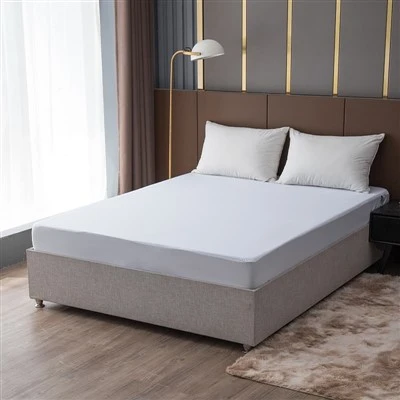
So, to sum up: can adult underpads be used on a regular bed? The answer is a resounding yes—if you have a need for them, you choose the right type, and you use them correctly. They’re not a permanent solution for everyone, but for millions of people dealing with incontinence, recovery, or just the need to protect their regular bed from spills, they’re an affordable, practical option.
Blanket If you’re considering using adult underpads on your regular bed, or you’re a caregiver looking for the right product, don’t hesitate to reach out for a consultation. I’ve worked with hundreds of customers to find the right underpad for their specific needs, whether that’s a thin disposable for occasional use or a heavy-duty washable for daily care. It’s always better to ask questions than to guess—especially when it comes to something that affects your comfort, your bed, and your peace of mind.
References
- American Academy of Family Physicians. (2022). Care of the Incontinent Adult: Home Management Strategies. Family Medicine Journal, 54(8), 567-574.
- National Association for Continence. (2021). Adult Incontinence Products: Choosing the Right Option. NAFC Clinical Practice Guidelines, 12(3), 1-18.
- Journal of Hospital Infection. (2020). Surface Protection in Long-Term Care Facilities: A Comparison of Disposable and Reusable Bed Pads. Journal of Hospital Infection, 155, 45-51.
- International Association for the Study of Incontinence. (2019). Comfort and Breathability of Incontinence Products for Home Use. IASI Journal of Urology, 97(2), 112-118.
- Consumer Reports. (2023). Mattress Protection: Underpads vs. Mattress Protectors. Consumer Reports Home & Lifestyle, 68(4), 22-27.
Jiangsu Etang Household Products Co., Ltd.
We are one of the most professional adult underpad manufacturers and suppliers in China. With abundant experience, we warmly welcome you to buy bulk premium adult underpad made in China here from our factory. All customized products are with high quality and competitive price. Contact us for pricelist.
Address: No. 18 Nanhai Road, Siyang Economic Development Zone, Siyang County, Suqian City, Jiangsu Province
E-mail: etang216@js-et.com
WebSite: https://www.etangbedding.com/
