In the dynamic landscape of the agricultural industry, the efficiency and reliability of grain cleaning machines are of paramount importance. As a seasoned provider of grain cleaning solutions, I’ve witnessed firsthand the transformative impact these machines have on the grain processing sector. One of the most frequently asked questions I encounter from our customers is whether grain cleaning machines have a self-diagnosis function. In this blog, I’ll delve into this topic, exploring the significance of self-diagnosis, its presence in modern grain cleaning machines, and how it benefits our clients. Grain Cleaning Machines
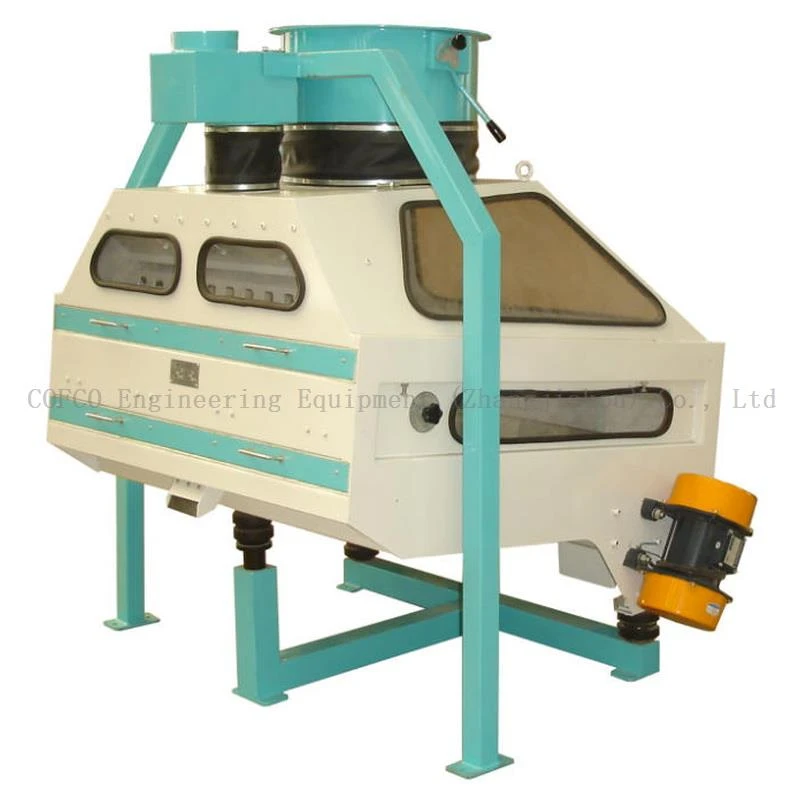
The Importance of Self-Diagnosis in Grain Cleaning Machines
Grain cleaning is a critical step in the post-harvest process, ensuring that the grains are free from impurities such as dust, chaff, and foreign objects. Any disruption in the cleaning process can lead to a decrease in grain quality, which in turn can affect the market value and usability of the final product. This is where the self-diagnosis function comes into play.
Self-diagnosis in grain cleaning machines serves as an early warning system. It continuously monitors the various components and processes within the machine, detecting any signs of malfunction or inefficiency. By identifying issues at an early stage, operators can take proactive measures to address them, minimizing downtime and preventing costly breakdowns. Moreover, self-diagnosis helps in optimizing the machine’s performance, ensuring that it operates at peak efficiency, which translates to higher productivity and better-quality grain.
The Presence of Self-Diagnosis in Modern Grain Cleaning Machines
In recent years, technological advancements have revolutionized the design and functionality of grain cleaning machines. Many of our modern models are equipped with sophisticated self-diagnosis systems that use sensors and advanced algorithms to monitor the machine’s performance in real-time. These systems can detect a wide range of issues, from minor glitches to major mechanical failures.
For example, the sensors can monitor the speed of the conveyor belts, the temperature of the motors, and the pressure within the cleaning chambers. If any of these parameters deviate from the normal range, the self-diagnosis system will immediately alert the operator. The system can also provide detailed information about the nature of the problem, such as the location of the fault and the possible causes, enabling the operator to take appropriate action quickly.
In addition to real-time monitoring, some of our grain cleaning machines also feature predictive analytics capabilities. These systems analyze historical data and trends to predict potential issues before they occur. By identifying patterns and anomalies, the machine can alert the operator to perform preventive maintenance, reducing the likelihood of unexpected breakdowns and extending the lifespan of the machine.
Benefits of Self-Diagnosis for Our Customers
The self-diagnosis function in our grain cleaning machines offers numerous benefits to our customers, making it a valuable investment for any grain processing operation.
Reduced Downtime
Downtime is one of the biggest challenges faced by grain processors. Every minute the machine is out of operation means lost productivity and revenue. With the self-diagnosis function, operators can quickly identify and address issues, minimizing the time the machine is offline. This allows for a more continuous and efficient grain cleaning process, ensuring that the grains are processed in a timely manner.
Cost Savings
By detecting and preventing major breakdowns, the self-diagnosis function helps in reducing repair costs. Minor issues can be addressed before they escalate into more serious problems, saving on the cost of parts and labor. Additionally, the optimized performance of the machine leads to lower energy consumption, further reducing operational costs.
Improved Grain Quality
A well-functioning grain cleaning machine is essential for producing high-quality grains. The self-diagnosis function ensures that the machine is operating at its best, consistently removing impurities and producing clean, marketable grains. This not only enhances the value of the grains but also helps our customers meet the strict quality standards of the market.
Ease of Use
The self-diagnosis system simplifies the operation of the grain cleaning machine. Operators do not need to be experts in mechanical engineering to identify and troubleshoot problems. The system provides clear and concise information, making it easy for operators to take appropriate action. This reduces the training time required for new employees and allows for a more seamless operation.
How Our Self-Diagnosis Function Stand Out
At our company, we take pride in offering grain cleaning machines with state-of-the-art self-diagnosis capabilities. Our systems are designed to be user-friendly, accurate, and reliable.
Advanced Sensor Technology
We use high-quality sensors that are capable of detecting even the slightest changes in the machine’s performance. These sensors are strategically placed throughout the machine to ensure comprehensive monitoring. The data collected by the sensors is analyzed in real-time, providing accurate and up-to-date information about the machine’s condition.
Customizable Alerts
We understand that different customers have different needs and preferences. That’s why our self-diagnosis system allows for customizable alerts. Customers can set the parameters for the alerts based on their specific requirements, ensuring that they are notified immediately when an issue arises. The alerts can be sent via email, SMS, or displayed on the machine’s control panel.
Remote Monitoring and Support
In addition to on-site monitoring, our self-diagnosis system also supports remote monitoring. This means that our technical support team can access the machine’s diagnostic data from anywhere in the world, allowing for quick and efficient troubleshooting. Even if the operator is unable to resolve the issue on their own, our team can provide real-time guidance and support, minimizing downtime and ensuring a smooth operation.
Conclusion
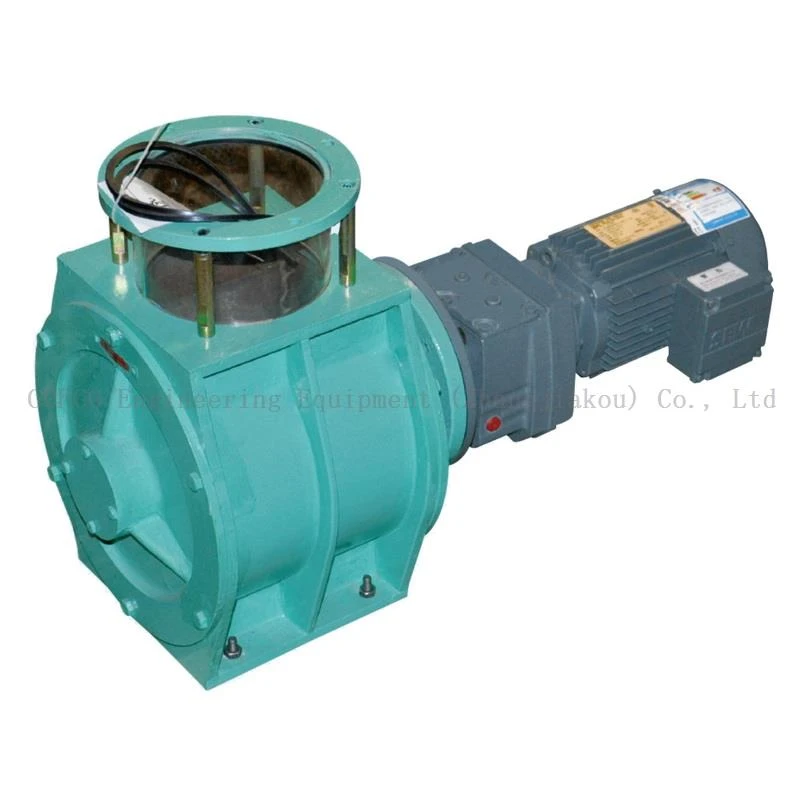
In conclusion, the self-diagnosis function is a game-changer in the world of grain cleaning machines. It offers significant benefits in terms of reduced downtime, cost savings, improved grain quality, and ease of use. As a leading provider of grain cleaning solutions, we are committed to offering our customers the latest technology and innovation in our machines. Our self-diagnosis systems are designed to meet the needs of modern grain processing operations, providing reliable and efficient performance.
Commercial Grain Mill If you’re in the market for a high-quality grain cleaning machine with advanced self-diagnosis capabilities, we invite you to reach out to us. Our team of experts is ready to assist you in finding the perfect solution for your specific requirements. Contact us today to start a conversation about how our grain cleaning machines can take your grain processing operation to the next level.
References
- Agricultural Machinery Handbook, Edition 10.
- Journal of Agricultural Engineering Research – Vol. 45, Issue 3, "Advancements in Grain Cleaning Technology".
- Proceedings of the International Conference on Agricultural Automation – "Self – Diagnosis Systems in Agricultural Machinery".
COFCO Engineering Equipment (Zhangjiakou) Co., Ltd.
As one of the most professional grain cleaning machines manufacturers and suppliers in China, we also support customized service. Please feel free to wholesale advanced grain cleaning machines for sale here from our factory. Quality products and reasonable price are available.
Address: No.4 ZhongLiang Street, high-tech industrial development zone, Zhangjiakou, Hebei, PRC
E-mail: mayihui@cofco.com
WebSite: https://www.ceeflourmill.com/
