How does a solar energy storage system compare to pumped hydro storage?
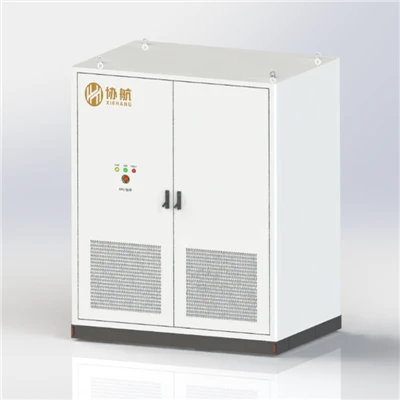
As a seasoned provider in the solar energy storage system field, I’ve witnessed the remarkable evolution of energy storage solutions over the years. Two prominent players in this arena are solar energy storage systems and pumped hydro storage. Each has its own set of characteristics, and understanding their differences is crucial for anyone considering making an investment in energy storage. This blog will delve into the various aspects of both technologies and compare them based on performance, cost, environmental impact, and scalability. Solar Energy Storage System
Performance
Let’s start by examining the performance of these two storage systems. Solar energy storage systems, which typically consist of batteries, are designed to store the electricity generated by solar panels. These batteries can quickly respond to fluctuations in energy supply and demand. For instance, during the day when solar panels produce excess electricity, the batteries can store it immediately. Then, in the evening or during periods of low sunlight, the stored energy can be released back into the grid or used to power a home or business. This rapid response time makes solar energy storage systems ideal for applications where a quick and reliable power source is needed, such as for stabilizing the power grid or providing backup power during outages.
On the other hand, pumped hydro storage operates on a different principle. It involves pumping water from a lower reservoir to a higher one during periods of low – cost electricity (usually at night when demand is low and there may be excess power from other sources). When electricity is needed, the water is released from the higher reservoir, flowing through turbines to generate electricity. While pumped hydro storage can provide a large amount of power, its response time is relatively slow compared to solar energy storage systems. It takes time to start up the pumps and release the water, which may not be suitable for applications requiring instantaneous power.
In addition, the efficiency of the two systems also varies. Solar energy storage batteries typically have an efficiency range of 80 – 90%, meaning that 80 – 90% of the electricity stored in the batteries can be retrieved and used. Pumped hydro storage, however, has an efficiency of around 70 – 85%. Although the difference in efficiency may not seem significant at first glance, over time and with large – scale operations, it can have a notable impact on the overall cost – effectiveness of the storage system.
Cost
Cost is a major factor when comparing solar energy storage systems and pumped hydro storage. The upfront cost of a solar energy storage system has been decreasing steadily in recent years due to technological advancements and economies of scale. The cost of lithium – ion batteries, which are commonly used in solar energy storage, has dropped significantly, making them more accessible to both residential and commercial users. Additionally, the installation of a solar energy storage system can be relatively quick and straightforward, reducing the overall installation cost.
Pumped hydro storage, on the other hand, requires a large initial investment. Building a pumped hydro storage facility involves constructing two large reservoirs, installing pumps and turbines, and building the necessary infrastructure. The cost of land acquisition, engineering, and construction can be extremely high. Moreover, the location requirements for pumped hydro storage are very specific. It needs a suitable topography with a significant elevation difference between the two reservoirs, which limits the number of potential sites and can further drive up the cost.
When it comes to operating and maintenance costs, solar energy storage systems also have an edge. Batteries in solar energy storage systems typically have a long lifespan and require minimal maintenance. Regular checks and occasional battery replacements are usually sufficient. In contrast, pumped hydro storage facilities require continuous maintenance of the pumps, turbines, and the water management system. The large – scale infrastructure also means higher labor and equipment costs for maintenance.
Environmental Impact
In today’s world, environmental considerations are of utmost importance. Solar energy storage systems are generally considered to be more environmentally friendly. The energy they store comes from solar power, which is a clean and renewable energy source. The batteries used in these systems are becoming more and more sustainable, with efforts being made to develop more environmentally friendly battery chemistries. Additionally, the installation of solar energy storage systems has a relatively small footprint and does not require large – scale land use.
Pumped hydro storage, while also a form of renewable energy storage, has some environmental drawbacks. The construction of large reservoirs can cause significant ecological disruption. It may lead to the flooding of large areas of land, which can displace wildlife and disrupt natural habitats. The operation of pumped hydro storage facilities also consumes a large amount of water, which can be a concern in areas with water scarcity.
However, it’s important to note that pumped hydro storage can also have some positive environmental impacts. It can help to balance the power grid, allowing for more integration of intermittent renewable energy sources such as solar and wind. This can reduce the reliance on fossil – fuel – based power plants and ultimately contribute to a reduction in greenhouse gas emissions.
Scalability
Scalability is another key factor in the comparison. Solar energy storage systems are highly scalable. They can be easily expanded by adding more batteries to the existing system. This makes them suitable for a wide range of applications, from small residential installations to large – scale commercial and utility – scale projects. Whether you need to store a small amount of energy for a single home or a large – scale energy storage solution for a power grid, solar energy storage systems can be customized to meet your needs.
Pumped hydro storage, while capable of providing large – scale energy storage, has limited scalability. Once a pumped hydro storage facility is built, it is difficult and costly to expand. The size of the reservoirs and the capacity of the pumps and turbines are determined during the initial design and construction phase. Any significant expansion would require major modifications to the existing infrastructure, which is often not feasible.
Conclusion
In conclusion, both solar energy storage systems and pumped hydro storage have their own advantages and disadvantages. Solar energy storage systems offer quick response times, relatively low costs, minimal environmental impact, and high scalability. They are well – suited for a variety of applications, from providing backup power to stabilizing the grid. Pumped hydro storage, on the other hand, can provide large – scale energy storage but has a high upfront cost, slower response time, some environmental concerns, and limited scalability.
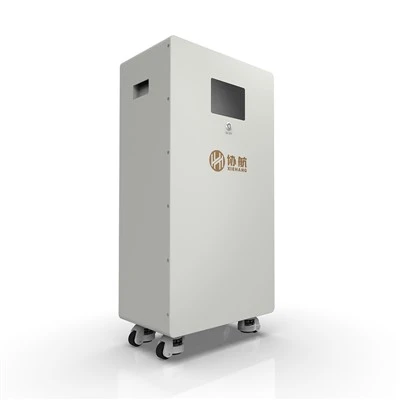
As a provider of solar energy storage systems, I am confident in the superiority of our technology in many aspects. Our systems are designed to meet the diverse needs of our customers, whether they are homeowners looking for a reliable backup power source or large – scale energy providers aiming to integrate more renewable energy into the grid.
Portable Power Station If you are interested in learning more about our solar energy storage systems, or if you are considering making an investment in energy storage, I encourage you to reach out to us for a detailed consultation. We can provide you with customized solutions based on your specific requirements and help you make an informed decision.
References
- "Battery Energy Storage Systems: Technology and Applications" by X. Lu, J. Li, and K. Amine.
- "Pumped Hydro Energy Storage: A Review of Current Status and Future Trends" by M. Kaldellis and B. Zafirakis.
- Research reports from the International Renewable Energy Agency (IRENA) on energy storage technologies.
Zhejiang Xiehang New Energy Equipment Co., Ltd.
As one of the most professional solar energy storage system manufacturers and suppliers in China, our products have good reputation in the market. Please erst assured to wholesale custom made solar energy storage system from our factory. If you have any enquiry about cooperation, please feel free to email us.
Address: No.5 Hechen Road, Zhouwangmiao Town, Haining, Jiaxing City, Zhejiang Province, China
E-mail: dan.wu@xiehang.net
WebSite: https://www.shineonpower.com/
