As a supplier of car ignition coils, I’ve witnessed firsthand the intricate relationship between ignition system components and a vehicle’s overall performance, especially when it comes to exhaust emissions. This blog post delves into a critical question: can a bad ignition coil cause excessive exhaust emissions? Car Ignition Coil

The Basics of Ignition Coils
Before we explore the impact of faulty ignition coils on exhaust emissions, let’s understand what ignition coils do. An ignition coil is a crucial component in a car’s ignition system. Its primary function is to convert the low voltage from the car’s battery (usually around 12 volts) into the high voltage needed to create a spark in the spark plugs. This spark is then responsible for igniting the air – fuel mixture in the engine’s combustion chambers.
Modern cars typically use one ignition coil for each cylinder, also known as coil – on – plug (COP) systems. In older vehicles, a single ignition coil was used to supply spark to multiple cylinders through a distributor. Regardless of the type, a well – functioning ignition coil is essential for the proper operation of the engine.
How Ignition Coils Affect Combustion
For optimal engine performance, the air – fuel mixture must be ignited at the right time and with sufficient energy. A healthy ignition coil ensures that the spark plugs receive a high – voltage spark of the correct intensity. When this occurs, the air – fuel mixture ignites completely in the combustion chamber.
Complete combustion is a highly efficient process. It releases a large amount of energy that is used to power the engine, and it produces relatively clean exhaust gases. The ideal by – products of a complete combustion process are carbon dioxide (CO₂) and water vapor (H₂O).
However, when an ignition coil starts to fail, the spark it provides may be weak or inconsistent. This can lead to incomplete combustion of the air – fuel mixture.
Incomplete Combustion and Excessive Exhaust Emissions
Incomplete combustion is the root cause of excessive exhaust emissions when an ignition coil malfunctions. Here are some of the major pollutants that are likely to increase:
Unburned Hydrocarbons (HC)
Unburned hydrocarbons are a direct result of the air – fuel mixture not being fully burned in the combustion chamber. A weak or inconsistent spark from a bad ignition coil may not have enough energy to ignite all of the fuel molecules. As a result, these unburned fuel molecules are exhausted from the engine, contributing to an increase in hydrocarbon emissions. Hydrocarbons are harmful to the environment as they can react with nitrogen oxides in the presence of sunlight to form ground – level ozone, a major component of smog.
Carbon Monoxide (CO)
Carbon monoxide is a colorless, odorless, and toxic gas. In a normal combustion process, carbon in the fuel combines with oxygen to form carbon dioxide. However, when combustion is incomplete due to a faulty ignition coil, some of the carbon atoms in the fuel do not fully oxidize. Instead, they form carbon monoxide. High levels of carbon monoxide emissions can pose a significant risk to human health, as it can bind to hemoglobin in the blood, reducing the oxygen – carrying capacity of the bloodstream.
Nitrogen Oxides (NOₓ)
Although nitrogen oxides are mainly formed at high combustion temperatures, an inefficient combustion process caused by a bad ignition coil can also affect their production. Incomplete combustion can lead to uneven combustion chamber temperatures and pressures. These fluctuations can cause nitrogen and oxygen in the air intake to combine, forming nitrogen oxides. Nitrogen oxides contribute to the formation of acid rain, smog, and can also cause respiratory problems in humans.
Signs of a Bad Ignition Coil
Recognizing the signs of a bad ignition coil is crucial for both vehicle owners and mechanics. Here are some common symptoms that may indicate an issue with the ignition coil:
Rough Idling
A faulty ignition coil can cause the engine to idle roughly. This is because the inconsistent spark leads to uneven combustion in the cylinders, resulting in a shaky or vibrating engine when the vehicle is stationary.
Misfiring
Engine misfires occur when the air – fuel mixture in one or more cylinders fails to ignite properly. A misfire can be felt as a sudden jerking or hesitation in the vehicle’s acceleration. It can also cause a loss of power and reduced fuel efficiency.
Poor Fuel Economy
Since a bad ignition coil leads to incomplete combustion, the engine has to work harder to produce the same amount of power. This results in increased fuel consumption, as more fuel is needed to compensate for the inefficient combustion process.
Check Engine Light
In many cases, a malfunctioning ignition coil will trigger the vehicle’s check engine light. The vehicle’s onboard diagnostic system (OBD) can detect irregularities in the ignition system and store diagnostic trouble codes (DTCs) related to the ignition coil.
Testing and Replacing Ignition Coils
If you suspect that a bad ignition coil is causing excessive exhaust emissions or other performance issues, it is important to test the ignition coil. There are several methods for testing ignition coils, including using a multimeter to measure the coil’s resistance. A reading outside of the manufacturer’s specified range indicates a faulty coil.
Replacing a bad ignition coil is a relatively straightforward process in many vehicles, especially those with coil – on – plug systems. However, it is important to use high – quality replacement ignition coils to ensure proper engine performance and reduce the risk of future problems.
The Role of a Reliable Ignition Coil Supplier
As a car ignition coil supplier, I understand the importance of providing high – quality ignition coils to ensure optimal engine performance and reduced exhaust emissions. Our ignition coils are designed and manufactured to meet or exceed the original equipment manufacturer (OEM) specifications.
We use advanced manufacturing techniques and high – quality materials to ensure the durability and reliability of our products. Our ignition coils undergo rigorous testing to ensure that they can withstand the high – voltage demands of modern engines and provide a consistent spark for efficient combustion.
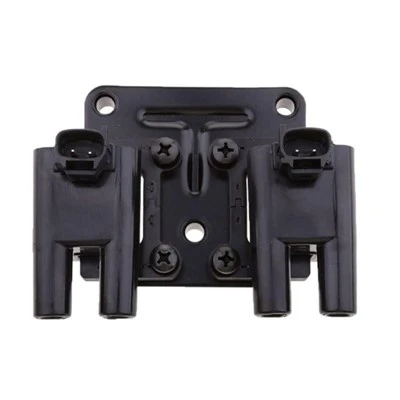
By choosing our ignition coils, vehicle owners and mechanics can be confident that they are using a product that will not only improve engine performance but also help to reduce exhaust emissions, contributing to a cleaner environment.
Contact Us for Your Ignition Coil Needs
Car Sensor If you are in the market for high – quality car ignition coils, whether you are a vehicle owner, a mechanic, or a distributor, we invite you to contact us for a purchase negotiation. Our team of experts is ready to assist you with any questions you may have and to provide you with the best ignition coil solutions for your specific needs.
References
- "Automotive Engine Design" by R.K. Rajput
- "Modern Automotive Technology" by James D. Halderman
- "The Automotive Ignition Handbook" by Klaus Brandner
Shanghai Changshun Imp.&Exp. Co., Ltd.
As one of the most professional car ignition coil manufacturers and suppliers in China, we are committed to providing high quality OEM service to global clients. We warmly welcome you to buy premium car ignition coil made in China here from our factory.
Address: No. 1558, Bai’an Road, Anting Town, Jiading District, Shanghai
E-mail: info@changhui-group.com
WebSite: https://www.changhuish.com/
