Hey there, it’s Jake from the PPR fittings team here. Today I want to tackle a question I get at least three times a week from plumbers, building contractors, and even homeowners checking for their new kitchen renovation: Are PPR fittings safe for drinking water? As someone who’s spent the last 12 years working with this material—testing batches at our warehouse, answering late-night emergency calls from a plumber stuck on a job with a faulty fitting, and walking new clients through why we stand behind every piece we sell—I’m not just going to give you a generic “yes.” I’m going to break this down with real data, real industry standards, and the stuff I’ve learned out in the field. PPR Fittings
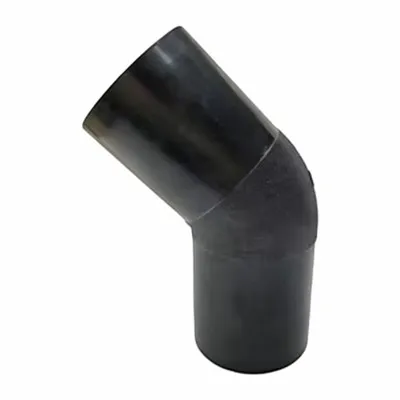
First, let’s get on the same page about what PPR actually is. PPR stands for Polypropylene Random Copolymer. It’s a thermoplastic made by combining propylene molecules in a random pattern, which gives it a different mix of flexibility and rigidity than regular polypropylene. Unlike PVC, which has been around for decades and has had its own share of water safety debates, or copper, which is expensive and prone to leaks if not installed right, PPR has carved a big niche in residential and commercial plumbing over the last 20 years. But safety is non-negotiable when it comes to something that carries water you’ll cook with, bathe in, and drink. So let’s start with the biggest concern: leaching. This is the number one thing people ask about, and rightfully so—no one wants chemicals seeping into their drinking water, especially not at the pressure and temperature levels that plumbing systems operate at.
I’ll be honest, early PPR formulations from overseas manufacturers in the 90s had some issues. I remember hearing horror stories from a friend who was a plumber in Texas back in 2001. He installed cheap PPR fittings on a new subdivision’s water lines, and within three years, some homeowners complained their tap water had a faint plastic smell. Turned out the manufacturer had cut corners with cheap recycled polypropylene and used harmful additives like lead-based stabilizers. But that’s not the PPR we sell today. Modern PPR fittings used for potable water are made from virgin, food-grade polypropylene—no recycled material, no dodgy additives. Food-grade polypropylene has been approved for food contact by organizations like the U.S. Food and Drug Administration (FDA) and the European Food Safety Authority (EFSA) for decades. It’s the same plastic used for food storage containers, baby bottles, and even medication packaging. If it’s safe for holding your yogurt or a kid’s sippy cup, why wouldn’t it be safe for water pipes?
But don’t just take my word for it. We test every batch of our PPR fittings at a third-party lab to make sure they meet NSF/ANSI Standard 61. That’s the gold standard for drinking water system components in North America. NSF 61 sets strict limits on the amount of any substance that can leach into water, including heavy metals, plasticizers, and volatile organic compounds (VOCs). To get certified, a product has to be tested under extreme conditions—hot water at 180°F, pressure cycling, even prolonged exposure to chlorine, which is used in most municipal water supplies. I’ve seen the test results firsthand; our fittings barely register a blip on the leaching scale. The maximum allowable limit for something like specific heavy metals is parts per billion, and our results are way below that. Last year, we submitted a batch of our hot and cold water PPR fittings for another round of testing, just to be thorough, and they passed with flying colors—no issues at all.
Another thing people worry about is temperature. PPR fittings have a maximum operating temperature of around 176°F for continuous use, which is perfect for residential hot water heaters set at 120°F (the recommended level to prevent scalding), and even commercial water systems that run a bit hotter. When you heat PPR above its melting point (which is around 320°F), it can start to break down, but in a normal plumbing system, you’re never going to get water that hot from the tap. Even if you accidentally leave a hot water tap open, you’re not going to reach that melting point. There’s a myth floating around that PPR releases toxic fumes when heated, but that’s only if it’s burned. Burning any plastic will release fumes, just like burning wood or metal. We’re not talking about burning here—we’re talking about heated water running through pipes that’s well below the temperature needed to break down the material’s molecular structure.
Wait, but what about chlorine? Municipal water treatment uses chlorine to kill bacteria and pathogens, right? Can chlorine break down PPR over time? That’s a fair question. I’ve had contractors tell me they switched from PPR to copper because they thought chlorine would make the pipes degrade. But here’s the thing: virgin food-grade PPR is highly resistant to chlorine and most common water chemicals. Studies from the Plastics Pipe Institute (PPI), a North American trade group that sets standards for plastic pipe products, found that PPR fittings show no significant degradation after 10 years of exposure to typical municipal chlorine levels (between 0.5 and 4 parts per million). In fact, in some parts of Europe where chlorine levels are a bit higher, PPR has been used for drinking water systems for over 15 years without any reported issues related to chlorine exposure. The only time you’ll see degradation is if you’re dealing with extremely high chlorine levels, like in a commercial pool or spa plumbing, which isn’t what PPR is designed for anyway. It’s made for potable water, not for swimming pools.
I also want to address a common misconception: recycled vs virgin PPR. I mentioned earlier that early cheap PPR used recycled material, which is where a lot of the safety issues came from. But not all recycled PPR is bad. Wait, no—actually, for potable water, it’s not recommended. Recycled plastic can have contaminants from previous uses, additives that aren’t disclosed, or inconsistent molecular structure. That’s why our company only uses 100% virgin polypropylene for all our potable water PPR fittings. We source our resin from reputable producers that specialize in food-grade materials, and we don’t mix any recycled resin in at all. That’s a choice we made early on after that Texas plumber story I told you about—we didn’t want our fittings to be the ones causing problems. So when you buy PPR fittings from a reliable supplier like us, you’re getting virgin material, tested to safety standards.
Now, let’s talk about real-world use cases. I’ve seen our PPR fittings used in everything from small backyard cabins to 50-story apartment buildings in New York City. The apartment building project was a big one—plumbers installed over 100,000 of our PPR fittings, and two years later, I checked in with the project manager. He told me there hadn’t been a single leak related to the fittings, and residents had no complaints about the water taste or smell. A local plumber here in Ohio told me he’s been using our PPR fittings for residential jobs for 8 years, and he prefers them over copper because they’re easier to install, cheaper, and he hasn’t had a safety issue. Of course, installation matters a lot here. You can’t just jam a PPR fitting into a pipe without properly fusing them together. If you don’t use the right fusion tool, heat the pipe and fitting to the correct temperature, and push them together with the right amount of pressure, you’ll get a bad joint. That’s not a flaw in the material—that’s a bad installation. I always tell plumbers to get trained on PPR fusion before they use it on a big job, and we even offer free fusion training for our regular clients.
What about third-party tests and regulatory approvals? Let’s recap: FDA food contact approval, EFSA approval, NSF/ANSI 61 certification, PPI testing for chlorine resistance. These aren’t just random stickers on a box. They’re independent organizations that test products to make sure they meet strict safety requirements. For example, NSF tests for leaching by running water through the fittings for 28 days at high temperature and pressure, then testing the water for contaminants. If it fails, it doesn’t get certified. We have that certification on every single box of our potable water PPR fittings, and we’re happy to share copies of the test reports with anyone who asks. I’ve sent test reports to homeowners who were nervous about switching to PPR, and they always come back saying they felt much better after seeing the data.
I know there’s a lot of misinformation online about PPR. Some blog posts say it’s toxic, some say it’s the best thing since sliced bread. The truth is, like any plumbing material, PPR is only safe if it’s made from the right material, tested to industry standards, and installed correctly. Cheap, uncertified PPR from unknown manufacturers is a risk. But reputable, food-grade, NSF-certified PPR fittings? They’re one of the safest options on the market for drinking water plumbing. They don’t corrode like copper, they don’t leach harmful chemicals when made right, and they hold up well to normal water conditions.
Let me also address a concern I hear from parents specifically: is PPR safe for kids’ drinking water? Kids are more sensitive to chemical exposure, so that’s a valid question. If you have PPR pipes under your kitchen sink or running to a child’s bathroom, the same FDA and NSF standards that apply to food storage containers apply to your PPR fittings. There’s no evidence that safe, certified PPR poses any risk to children. We’ve had parents buy our fittings for their own homes, and for daycares and preschools looking to renovate their plumbing, because they want a safe, reliable option.
At the end of the day, our job as PPR fittings suppliers isn’t just to sell you a product. It’s to make sure you know that the product you’re buying is safe for the water your family drinks. I’ve spent years building our business on that trust—working with plumbers to troubleshoot installation, testing every batch to make sure it meets our high standards, and being transparent about the material and testing. If you’re considering PPR for your next plumbing project, whether it’s a small home renovation or a large commercial build, I’d be happy to walk you through the details, answer any questions you have about safety, and help you find the right fittings for your needs. We work with contractors and homeowners across the country, and we’re always here to help.
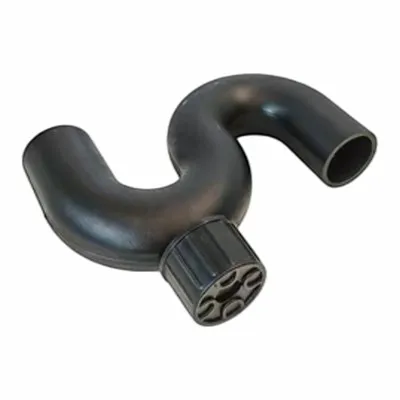
If you’re ready to discuss your PPR fitting needs, or you want more information about our safety testing and certifications, feel free to reach out to our team to start the conversation. We’re here to help you make the right, safe choice for your plumbing.
Butt Fusion Fittings References
Plastics Pipe Institute. (2022). PPR Pipe and Fittings for Potable Water Applications: Long-Term Performance and Safety.
U.S. Food and Drug Administration. (2021). Food Contact Substances: Polypropylene Resins.
National Sanitation Foundation. (2023). NSF/ANSI Standard 61: Drinking Water System Components – Health Effects.
European Food Safety Authority. (2020). Safety Assessment of Polypropylene Random Copolymer for Use in Drinking Water Systems.
Qingdao Polyfusion Machinery Co., Ltd.
As one of the most professional PPR fittings manufacturers and suppliers in China, we have world-leading production equipment and strong manufacturing capabilities. Please feel free to buy bulk high quality PPR fittings from our factory.
Address: Chengyang Industry Zone, Chengyang, Qingdao, Shandong, China
E-mail: export01@qdpolyfusion.com
WebSite: https://www.polyfusionfittings.com/
