If you’ve spent any time in medical device manufacturing, fluid management, or bioprocessing, you’ve probably heard rumblings about PFA tubes—those translucent, chemical-resistant lines that pop up in everything from IV delivery systems to pharmaceutical production lines. But as someone who’s supplied PFA tubes to clinical and lab teams for over a decade, I still get the same question from new clients every week: “Is PFA tube approved for medical use?” It’s a fair, critical ask: medical equipment can’t be a “maybe” for regulatory compliance, patient safety, or even product liability. The short answer? Yes, but with more nuance than a quick Google search will tell you. Let’s break this down the way I do when I’m walking a first-time lab manager or device engineer through their options. PFA Tube
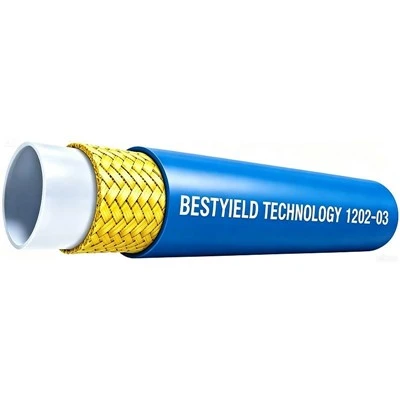
First, let’s get clear on what PFA is. Perfluoroalkoxy alkane (PFA) is a fluoropolymer, right up there with PTFE (Teflon) in its chemical inertness. It’s non-stick, withstands extreme temperatures (from -200°C to 260°C, which covers everything from frozen bioreagent storage to autoclave sterilization), and doesn’t leach chemicals even when exposed to harsh acids, alcohols, or biological fluids. That last part is non-negotiable for medical use: if a tube leaches additives into a patient’s IV solution or a biologic drug, that’s a regulatory red flag and a patient safety risk. But inertness alone doesn’t equal regulatory approval—you need to meet the standards set by global health bodies.
Let’s start with the two most widely recognized regulatory approvals for medical-grade materials: the U.S. FDA and the European Union’s CE marking. For a medical product to hit the U.S. market, it has to comply with FDA’s 21 CFR Part 177, the section that covers food-contact materials, but more importantly, 21 CFR 175.105 for indirect food additives and 21 CFR 801 for labeling, with specific references to biocompatibility standards. Many of the PFA tubes I supply are formulated to meet FDA’s “Class VI” biocompatibility rating. Wait, Class VI is the highest, right? That means the material is tested for toxicity, irritation, and sensitization—no harmful reactions when it comes into contact with living tissue. PFA is one of the few polymers that consistently passes these tests without fail. I’ve worked with clients testing PFA tubing for use in implantable devices (though most PFA tubes are for non-implantable applications, like fluid transport, catheters’ outer linings, or IV extension sets) and the biocompatibility data always lines up.
Then there’s CE marking, the gold standard for products sold in the EU. For medical devices, CE requires compliance with the Medical Device Regulation (MDR), which took effect in 2021 and tightened rules on material safety, traceability, and post-market surveillance. PFA tubes for medical use meet MDR’s Annex XI requirements for material properties, including chemical resistance and biocompatibility. A lot of the smaller medical labs I work with prefer CE-approved PFA tubes because they don’t have to navigate separate regulatory pathways for the EU. One thing I’ve learned over the years: not all PFA tubes are created equal. Some cheap, industrial-grade PFA tubes skip biocompatibility testing, cut corners on raw material purity, and never get near FDA or CE approval. That’s a big red flag—if you’re buying from a supplier that can’t provide a Certificate of Compliance (CoC) with FDA Class VI or MDR Annex XI, you’re not getting a medical-grade PFA tube.
Now, let’s talk about real-world applications to make this concrete. I’ve supplied PFA tubes to a company that makes disposable IV catheters—their inner linings are PFA because it doesn’t stick to blood, reduces clot formation, and won’t react with intravenous medications. Another client is a biopharmaceutical firm that uses PFA tubing to transport monoclonal antibody (mAb) solutions during production. mAbs are super sensitive to contamination, and PFA’s low extractable/leachable profile means there’s no risk of foreign substances ruining a batch of expensive drugs. Even diagnostic labs use PFA tubes for sample collection and storage: the inertness prevents cross-contamination between different patient samples, which is critical for accurate test results.
But wait, are there any cases where PFA tubes aren’t approved? Let’s be honest—no material is one-size-fits-all. PFA isn’t designed for long-term implantable use (like, say, a pacemaker lead), but that’s not a limitation on its approval, just its intended use. The FDA doesn’t give a blanket “approved” label to every PFA tube; instead, they approve specific formulations for specific uses. A PFA tube approved for IV fluid transport isn’t automatically approved for implantable devices, because implantable use requires longer-term biocompatibility testing in a living body. Also, some regulatory bodies have additional requirements: for example, in Japan, PFA tubes for medical use need to meet the Pharmaceutical and Medical Devices Agency (PMDA) standards, which align closely with FDA and CE, so I make sure any tubes I supply can meet those too if a client needs them.
A common question I get from engineers is: “Can I autoclave PFA tubes, and does that affect their approval?” The answer is yes—PFA is heat-stable, so autoclaving (at 121°C, 15 psi) doesn’t degrade its properties or void its regulatory approvals. I’ve had clients test PFA tubes through 100+ autoclave cycles and still get the same biocompatibility results as a new tube. That’s a big plus for reusable or multi-use medical equipment, where sterilization is non-negotiable.
Now, let’s get to the supplier perspective, since that’s where most people’s questions go unanswered. A lot of companies label any PFA tube “medical grade” without the necessary testing, but that’s not the case here. When I source PFA tubes, I only work with manufacturers that provide full documentation: batch-specific CoCs, biocompatibility test reports (ISO 10993, the international standard for medical device biocompatibility), and traceability records. Traceability is huge—if a tube has a quality issue, you need to track every batch back to its raw material source. I’ve had a client have a minor issue with a different supplier’s PFA tubes, and because that supplier couldn’t trace the raw material, they had to recall an entire shipment. That’s a nightmare I avoid by only working with manufacturers that prioritize traceability.
If you’re on the fence about whether PFA tube is right for your medical application, here’s what I tell new clients: first, check for regulatory documentation. Ask for a CoC that specifically references FDA Class VI, CE MDR, or ISO 10993. If a supplier can’t produce that, walk away. Second, match the tube’s specifications to your use case: if you need chemical resistance for pharmaceutical fluid transport, PFA is perfect. If you need a soft, flexible tube for wearable medical devices, PFA might be too rigid (in that case, we often recommend a medical-grade PVC or silicone instead). Third, don’t overpay for unnecessary approvals—if your application is a disposable lab sample tube, you don’t need implant-grade testing, but you do need FDA Class VI.
I’ve been in this industry long enough to see the shift: 10 years ago, a lot of medical labs used PVC or rubber tubes, but those have a tendency to leach plasticizers or react with certain medications. PFA’s rise isn’t just a trend—it’s a response to stricter safety regulations and the need for more reliable fluid management. Last year, I supplied PFA tubes to a team working on a new COVID-19 diagnostic test; their test relied on accurate sample transfer, and PFA’s lack of cross-contamination was a key part of getting their FDA Emergency Use Authorization (EUA). That’s when I know we’re doing our job right—supplying a product that’s not just “approved” but critical to a medical solution that helps people.
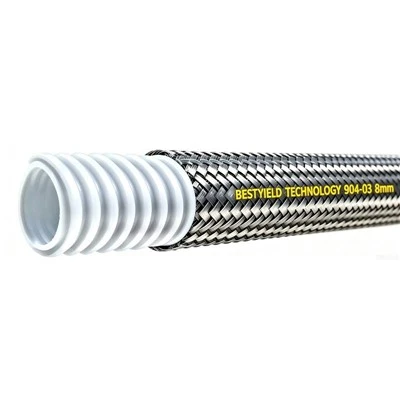
At the end of the day, the answer to “Is PFA tube approved for medical use?” is yes—when it’s the right formulation, paired with the proper regulatory documentation, and intended for a medical application that aligns with its properties. You don’t have to take my word for it, though. If you’re researching PFA tubes for your medical device, lab, or bioprocessing line, I’d be happy to walk you through our product specs, share our regulatory documentation, and help you find the right tube for your needs. Reach out to connect for a procurement consultation, and let’s make sure you get a product that’s both compliant and reliable.
PTFE Tube References
- U.S. Food and Drug Administration. (n.d.). Title 21 CFR Part 177: Indirect Food Additives: Polymers.
- International Organization for Standardization. (2019). ISO 10993: Biological Evaluation of Medical Devices.
- European Commission. (2021). Regulation (EU) 2017/745 on Medical Devices (MDR).
- Pharmaceutical and Medical Devices Agency (PMDA). (n.d.). Standards for Medical Materials and Devices.
- DuPont. (2022). PFA Material Properties for Medical Device Applications.
BESTYIELD Technology (Huizhou) Co., Ltd.
BESTYIELD Technology (Huizhou) Co., Ltd. is one of the most professional pfa tube manufacturers and suppliers in China, featured by quality products and good price. Please rest assured to buy durable pfa tube made in China here and get quotation from our factory. Customized orders are welcome.
Address: Yinshan Industrial Zone, Liangjing Town, Huiyang District, Huizhou City, Guangdong Province
E-mail: rick@bestyield.net
WebSite: https://www.bestyield.org/
