Hey everyone, if you’ve ever browsed around electric motorcycles, chances are you’ve wondered this: do electric bikes even have gears? As someone who’s spent years sourcing and selling electric two-wheelers, I get why this question pops up all the time—especially if you’re used to the clunky, clutch-fueled rides of gas-powered bikes. Let’s break this down like we would over a coffee, no super technical jargon, just straight talk from someone who works with these machines every single day. Electric Motorcycle

First, let’s start with how electric motors work, because that’s the whole reason the gear question even comes up. A gas engine makes power by burning fuel, which means its torque (that’s the “twist” that gets you moving) only hits a sweet spot within a narrow range of RPMs—usually around 3,000 to 6,000. If you’re below or above that, you’re not getting the best performance, so you need gears to shift that power to the wheels. Electric motors? They’re totally different. They produce maximum torque the second you hit the throttle, right from zero RPM. That’s why you can pin the throttle on an electric bike and get thrown back without even shifting—no waiting for the engine to rev up like a gas bike.
So does that mean all electric motorcycles skip gears? Nope, that’s where it gets interesting. There are actually two main types of electric motorcycles on the market, and one of them rocks gears, while the other keeps it super simple. Let’s call them “entry-level commuters” and “high-performance street bikes.” The commuter ones you see popping up everywhere—cheap, lightweight, built for running errands or short city rides? Those almost always have a single-speed gear setup, sometimes called a “final drive” belt or chain, no shifting needed. Why? For that kind of riding, the electric motor’s instant torque is more than enough, and keeping it single-speed cuts down on cost, maintenance, and makes it way easier for new riders. I’ve seen these go 0 to 60 in about 7 seconds, which is perfect for weaving through city traffic, and you never have to worry about fumbling with a clutch at a red light.
But the performance ones, the ones that can hit 120+ mph and go on long highway rides? Those often have multiple gears. Wait, why would they? Let’s think about highway riding. Even with instant torque, once you’re going 70 mph, pushing that electric motor beyond its ideal speed range starts to eat into battery life. Having a second or third gear lets you keep the motor in that sweet torque band, so you don’t have to drain the battery as fast to maintain speed. I worked with a client last year who was doing long-haul trips on a high-speed electric bike without gears, and he was only getting 80 miles per charge. When he upgraded to one with a two-speed gearbox, he got almost 120 miles—huge difference, and he didn’t have to recharge halfway. Plus, for off-road electric bikes, gears help with traction when you’re climbing steep hills or crawling over rocks. That instant torque can actually be too much for loose terrain, so a lower gear lets you control the power better.
Now, let’s talk about how these gears work, because they’re nothing like the manual transmissions on gas bikes. No clutch, no needing to rev match—most are automatic. Some are semi-automatic, where you tap a button or a pedal to shift, but you don’t have to use a clutch. A few top-tier performance models even have traditional-style manual shifting, but that’s mostly for riders who want that familiar feel from gas bikes. As a supplier, I’ve noticed that demand for multi-gear electric bikes is growing fast, especially among riders who are making the switch from gas because they want that same control on highways or off-road. The single-speed ones are still our best-sellers for urban fleets, though—city delivery companies love them because they’re low maintenance and their drivers don’t have to learn to shift.
Wait, let’s clear up a common myth: some people think gear-equipped electric bikes are “less electric” because they have moving parts. But really, the gear systems on these bikes are way simpler than gas transmissions. A typical electric motorcycle gearbox only has 2 or 3 gears, whereas a gas bike might have 5 or 6. There’s no oil change needed (most are sealed for life), and way fewer parts to wear out. I used to service a lot of gas bikes back in the day, and shifting mechanisms were always breaking—cables snapping, clutch plates wearing out. With our electric bikes, whether they have gears or not, maintenance is basically just checking the chain and tire pressure. That’s a big sell for buyers who don’t want to spend time or money on upkeep.
Another thing I get asked a lot: do gears affect the riding experience? For casual city riders, no at all—you won’t even notice the difference, and the single-speed is way more convenient. But for anyone who rides on highways, wants better range, or does off-roading, gears make a huge difference. I test rode a 3-gear electric adventure bike last month, and climbing a steep hill on the highway? I didn’t have to floor the throttle to keep speed, which saved a ton of battery. On the flip side, a single-speed bike is way more fun for stop-and-go city riding—you just twist the throttle and go, no fumbling with a clutch at every light.
Now, as someone in the electric motorcycle supply business, I’ve seen this shift firsthand. Five years ago, almost every electric bike we stocked was single-speed. Today, we carry a mix: single-speed commuters, two-speed highway models, and even a handful of semi-automatic off-road bikes. The demand is split pretty evenly right now—about 60% single-speed, 40% geared. But lately, we’re getting more inquiries from people looking for geared models, especially from delivery companies that go out of city limits, and hobbyists who want electric bikes that can handle weekend rides to the mountains.
Let’s also talk about why some brands choose one over the other. For budget models, single-speed is a no-brainer—it keeps production costs low, which means we can pass those savings on to buyers. For premium performance brands, adding a gearbox is a way to compete with gas bikes in terms of range and top speed. A few brands have even experimented with automatic gearboxes that shift seamlessly as you ride, so you never have to think about it. That’s the sweet spot, really—combining the ease of electric riding with the efficiency of gears.
Wait, I should address a common misconception from people who are just starting to look at electric bikes: a lot of them think “geared = better,” but that’s not always true. If you’re only riding 10 miles a day in the city, a single-speed is all you need, and it’ll be cheaper to buy and easier to maintain. Gears add a bit of cost and complexity, so they’re only worth it if you need the extra range or performance. I’ve had customers come to me asking for a geared bike for their first electric ride, and I always tell them to test both if they can. Most of the time, they end up going with single-speed for their city commute.
As a supplier, what matters most is matching the right bike to the right customer. If you’re a city delivery driver, single-speed is perfect. If you’re someone who does 100-mile highway rides on weekends, geared is a better call. If you’re into off-roading, gears give you the control you need. That’s why we work with a range of manufacturers—so we can offer both options, not just push one type.
Let me throw in a quick example: last quarter, we supplied 50 single-speed electric commuters to a local delivery company. They told us their drivers loved not having to shift, and their maintenance costs went down by 40% compared to their old gas bikes. Then, we supplied 20 two-speed models to a group of weekend riders who wanted to do longer trips. They said they got 30% more range than their old single-speed electric bikes, which meant they didn’t have to stop to charge as often. That’s the real-world difference gears make.
Now, I know a lot of people reading this might be on the fence about making the switch to electric, and the gear question is one of those small, confusing details. But honestly, it’s nowhere near as complicated as gas bike gears. If you’re new to two-wheelers, electric or otherwise, single-speed is the way to go. If you’re an experienced rider who wants more versatility, geared is worth checking out.
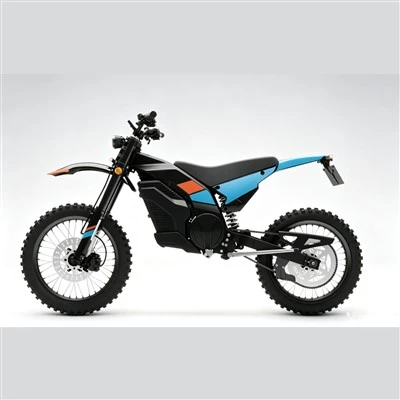
At the end of the day, the short answer to “Do electric motorcycles have gears?” is: some do, some don’t, and it all comes down to what you’re using the bike for. And if you’re in the market to stock electric motorcycles, whether for a retail shop, a delivery fleet, or just to expand your product line, we’ve got you covered. We work with brands that make both types, so we can help you pick the right mix for your customers. Whether you need low-cost single-speed commuters or high-performance geared bikes, we can supply reliable, high-quality options that meet your needs. If you’re ready to chat through your requirements or get a quote, hit us up—we’re here to break down all the details, no sales pitch, just honest advice from someone who’s been in this game for years.
Commercial E-Vehicle References:
- Electric Vehicle Association of North America. (2022). Performance Characteristics of Electric Motorcycle Drivetrains.
- Global Electric Two-Wheeler Market Report. (2023). Gear Configuration Trends and Consumer Demand.
- Journal of Power Sources. (2021). Efficiency Comparison of Single-Speed and Multi-Speed Electric Motorcycle Transmissions.
- Off-Road Electric Vehicle Association. (2022). Traction Control and Gear Systems for Terrain Adaptation.
Hangzhou Yulin Hefeng Technology Co., Ltd.
As one of the most professional electric motorcycle manufacturers and suppliers in China, we’re featured by quality products and good price. Please rest assured to wholesale customized electric motorcycle made in China here from our factory. Welcome to contact us for quotation.
Address: Room 904A, Building 1, Zhonghao International Business Center, No.672 Xintang Road, Hangzhou, China
E-mail: ethan@globalvehiclemall.com
WebSite: https://www.gvm-moto.com/
