Hey everyone, it’s Javi here, and for those who don’t know me, I’ve been running this bamboo wall cladding supply biz for 8 years now. In that time, I’ve seen almost every kind of oops moment with bamboo cladding—from a stray nail hole that turned into a big ugly mark, to a loose plank that almost tore right off. A lot of folks think damaged bamboo is a total write-off, but most issues are super fixable, especially if you catch ’em early. Today I’m walking you through how to repair everything from tiny scuffs to loose planks, plus the stuff I’ve picked up from my installers and customers over the years that actually works. Bamboo Wall Cladding
First off, let’s get one thing straight: bamboo is tough, but it’s not unbreakable. Unlike wood, it’s denser, more moisture-resistant, and way more eco-friendly, but it still reacts to the same things—too much water, heavy impacts, or just general wear from kids, pets, or outdoor weather. The key here is matching the fix to the damage, so you don’t mess up the original look or the integrity of the cladding. Let’s start with the most common issues I see, because 9 times out of 10, that’s where people get stuck.
Fixing Tiny Scuffs and Surface Marks
This is the stuff that happens all the time—you move a couch, scrape it against the wall, or a pet claws at it a little. I once had a customer text me a pic of a tiny scuff next to their coffee table, panicking like they’d ruined their whole accent wall. Don’t panic. For surface scuffs, here’s what I recommend: grab a can of mineral oil or a non-toxic wood conditioner (I always tell my customers to keep a bottle of this handy, since it works on bamboo too). Rub a tiny bit on the scuff with a soft cloth, let it sit for 5 minutes, then buff it off with a clean dry cloth. That works on light marks 90% of the time. If the scuff’s a little deeper, like a light scratch that’s gone through the clear topcoat, grab some fine-grit steel wool (0000 grade—super fine, so it won’t scratch more) and gently rub the mark in the direction of the bamboo’s grain. Don’t scrub too hard! Bamboo’s grain runs pretty straight, so going with the grain is non-negotiable here. After that, wipe off the dust, apply a thin layer of the mineral oil or conditioner, and buff again.
Wait, if you’re dealing with outdoor bamboo cladding? Scuffs are a little different, since outdoor bamboo gets exposed to UV rays and rain. For those, I suggest a UV-resistant teak oil instead of regular mineral oil. It adds a little extra protection against fading, which is a big one for exterior installs. I had a customer who’d installed our vertical bamboo cladding on their back patio try this, and he texted me later saying he couldn’t even find the original scuff he fixed. That’s the kind of win we love.
Patching Small Holes or Dents
Now, holes—like from a nail that pulled out, or a tiny indent from a heavy picture frame. This is where people usually go wrong, because they use the wrong filler. A lot of folks grab generic wood filler, but that’s a bad call. Bamboo’s denser than most softwoods, so generic filler will look way lighter or darker than the cladding. I use a bamboo-specific wood filler, which is super easy to find (or I can hook you up with a link to the stuff I stock for my customers if you need). Let me walk you through the steps: first, clean the hole with a dry cloth, make sure there’s no dirt or dust in there. Then, mix a tiny bit of the filler with a little bit of your leftover bamboo cladding sawdust (if you have some leftover planks, just sand a bit off) to match the color exactly. That’s a pro trick—no more weirdly colored patches! Pack the filler into the hole, make sure it’s a little above the surface, because it shrinks a tiny bit as it dries. Let it cure for the time the filler says (usually 24 hours, but I wait 48 just to be safe), then sand it smooth with that same 0000 steel wool. Buff it with oil, and you’ll never tell there was a hole there.
What about a deeper dent, like if something heavy got dropped on it? If the dent is only on the surface, you can try a steam trick that my installers taught me. Grab a clean cloth, soak it in hot (not boiling) water, lay it over the dent, then run a hair dryer on high heat over the cloth for 1-2 minutes. The steam softens the bamboo fibers, so they’ll swell back to their original shape. After that, let it dry completely, then buff with oil. I’ve fixed dents from bike helmets and even a small barbecue grill with this method—no need for filler. It’s way better for the look too, since it’s seamless.
Repairing Loose or Damaged Planks
This is the big one—when a whole plank is wobbly, or part of it is cracked or split. First, if the plank is only loose (no big cracks), you don’t have to replace the whole thing. Most of the time, it’s just loose fasteners. If it’s an interior install, grab a drill and a wood screw that’s a little shorter than the plank’s thickness (you don’t want to go through to the other side of the wall). Drill a small pilot hole (so the plank doesn’t split), then drive the screw in, and cover the screw head with a wood plug that matches your bamboo. Sand it smooth, and no one will notice. For exterior installs, though, I use stainless steel screws—they don’t rust, which is key for outdoor bamboo that gets wet a lot. Rusted screws will leave brown marks, and we don’t want that.
If the plank is cracked, not just loose, the fix depends on how big the crack is. Small cracks (less than an inch long) can be filled with the same bamboo filler we talked about earlier, plus a drop of wood glue mixed in, to make it stronger. Wipe off any excess glue right away—bamboo’s porous, so glue that dries on the surface will leave a mark. If the crack is bigger than that, or the plank is split all the way through, you’ll need to replace it. Here’s how to do that without messing up the rest of the wall: first, turn off any power if you’re working near outlets (obvi). Then, gently pry the damaged plank away from the adjacent planks—use a putty knife, and be careful not to scratch the good ones. Once it’s out, measure the exact size, and cut a new plank from your leftover cladding (if you don’t have leftovers, just hit me up for a quick cut-to-size piece, no extra hassle). When you fit the new plank, make sure the joints are tight, and fasten it the same way the original was installed. Buff the new edge with a little sanding, then apply oil to match the rest of the wall. It’ll blend right in.
Wait, a quick note here: don’t try to paint or stain damaged bamboo if you’re trying to fix it. The clear topcoat on our bamboo cladding is meant to protect it, and painting over it will trap moisture under the surface, which can make it warp or mold. Staining is okay only if you’re using a stain made for outdoor use, but for small repairs, the oil method is way simpler and more natural.
Pro Tips I Wish Everyone Knew
Now, a little stuff I’ve learned over 8 years that saves people so much time and money. First, clean your bamboo cladding right—use a mild dish soap and warm water, no harsh chemicals like bleach or ammonia. Bleach will turn bamboo yellow, and ammonia will break down the topcoat. If you have outdoor cladding, a gentle pressure washer (low pressure, like 1500 PSI) is okay, but hold it at least 12 inches away from the wall, don’t blast it directly at the planks. I’ve seen people blast a wall and split half the planks—don’t do that.
Second, keep a little of your original bamboo cladding in storage. I tell every customer this when they order from me—keep 1 or 2 extra planks in a closet, just in case. It’s way cheaper than having to buy a whole new bundle just to replace one plank. And if you don’t have leftovers, just send me a photo of your wall, and I can match the pattern and color exactly. No guesswork.
Third, fix damage as soon as you see it. That tiny scuff? Fix it that day, don’t wait a month. If you leave it, dirt and moisture will get in, and it’ll turn into a way bigger problem. I once had a customer who ignored a nail hole in their bathroom wall, and over 6 months, mold grew in the hole because the bathroom’s always humid. That’s a way worse fix than just patching it when it first happened.
When to Call a Pro
Okay, let’s be real—some stuff is better left to someone who knows what they’re doing. If the damage is on a large section of your wall, like an entire row of planks is warped, or the wall has water damage (like from a leaky pipe behind it), don’t try to fix that yourself. Water damage in bamboo can lead to mold or structural issues, and a pro can check the framing behind the wall to make sure it’s safe. If you’re not comfortable drilling or cutting planks, a pro will make the fix look way better, and it’ll save you from messing up a good wall.
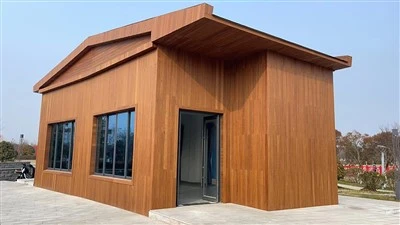
Now, I know a lot of you are here because you’re either dealing with a damaged bamboo wall, or you’re thinking about installing bamboo cladding and want to know how easy it is to maintain. For those of you in the market, our bamboo cladding is FSC-certified, super durable, and comes with a 25-year warranty for exterior installs—so you won’t have to deal with this kind of stuff often. But when you do, the fixes I just walked you through work every time.
Bamboo Decking If you need bamboo filler, wood plugs, or even a replacement plank to match your existing wall, just reach out to me. I’m here to help, whether you’re a DIYer looking for tips or a contractor needing bulk supplies. No hoops to jump through, no weird fine print.
References
- National Bamboo Society. (2022). Maintenance and Repair of Bamboo Architectural Elements. Retrieved from industry resources for sustainable building materials
- Wood Industry Association. (2021). Proper Techniques for Wood Filler and Surface Repair for Exterior Cladding. Retrieved from trade guidelines for exterior building products
- Bamboo Construction Handbook. (2020). Repair Methods for Solid Bamboo Panels. Retrieved from technical guides for bamboo building materials
Ningguo Kungtai Bamboo and Wood Co., Ltd.
As one of the most professional bamboo wall cladding manufacturers and suppliers in China, we warmly welcome you to wholesale bulk customized bamboo wall cladding from our factory. If you have any enquiry about quotation, please feel free to email us.
Address: East of Huanggang Road, Ningdun Town, Ningguo City, Anhui Province
E-mail: office@hh-bamboo.com
WebSite: https://www.kungtaibamboo.com/
