If you’re like me, you know that summer apparel isn’t just about bright colors or playful silhouettes—it’s about the fabric. After 12 years as an apparel fabric supplier, I’ve heard every complaint from customers: “This shirt sticks to my back,” “The dress gets soaking wet and stays that way all day,” “The material feels like a plastic bag when I step outside in 90-degree heat.” Summer fabric isn’t a one-size-fits-all solution, but it doesn’t have to be a gamble either. I’ve spent years testing, sourcing, and refining materials that balance comfort, durability, and practicality for hot, humid days. Today, I’m breaking down the fabrics that work best, why they perform, and which ones you should skip entirely—straight from someone who’s got a stack of swatches in their office drawer and a customer text thread about a 2021 batch of summer linens that still gets referenced. Apparel Fabric

First, let’s ground this in what summer actually demands: fabrics that move moisture, breathe, and don’t trap heat. I used to think “lightweight” was the only metric, but I’ve learned the hard way (and from hundreds of client surveys) that it’s a combination of breathability, moisture-wicking ability, and thermal regulation. A fabric might be thin, but if it’s tightly woven, air can’t get through—and you’ll end up with a shirt that feels like a sauna liner. That’s where cotton broadcloth comes in, a staple I’ve supplied since day one that flies under the radar for many designers and apparel brands. Cotton is a natural fiber that’s inherently breathable; broadcloth is a specific weave that’s tight enough to look polished, not frumpy, but still has small gaps between fibers that let air circulate. I’ve worked with small dress brands that use our cotton broadcloth for midi summer dresses, and their customers consistently mention how it doesn’t cling when they sweat at backyard barbecues or run errands in 95-degree weather. The catch? It’s not the most moisture-wicking fabric—if you’re wearing it for intense activity, it will get damp. But for everyday casual or dressy summer wear, it’s unbeatable for softness and versatility. I recently helped a local boutique adjust their summer line from 100% cotton jersey to a blend of 97% cotton broadcloth and 3% spandex, and their returns for comfort dropped by 28% in the first month. Small tweaks like that make all the difference.
Next on the list: linen. Let’s get one thing straight—linen has a rep for being wrinkly, but that’s exactly why it’s great for summer. The structure of linen fibers is hollow, which means they trap air and keep your skin cool, even when the temperature spikes. I’ve supplied linen for everything from men’s button-down shirts to women’s wide-leg pants, and it’s the fabric customers will reach for even when they’re not planning a big outing. That said, not all linen is created equal. I once made the mistake of importing cheap, low-quality linen from a overseas supplier that shrank 15% after one wash and turned scratchy—we had to issue full refunds to three clients, and it’s a mistake I never repeated. The best summer linen is usually made from long-staple fibers (like Belgian or French linen) that are smoother, more durable, and less likely to pill. I also suggest a light wash linen (around 100-120 GSM) instead of a heavy weight, because heavy linen stays wet longer. I had a customer who wanted linen for wedding guest dresses, and we recommended our 110 GSM light linen blend (95% linen, 5% viscose) that has a soft drape, doesn’t wrinkle as much as pure linen, and dries in minutes after a light rain or accidental spill. It’s a versatile pick that works for both casual beach days and semi-formal events. The only downside? Pure linen can be prone to wrinkling, but that’s part of its charm—unless you’re a brand that needs a perfectly crisp look, which is where a blend might be better.
Speaking of blends, let’s talk about linen-cotton blends, which I’ve found to be the workhorse of summer fabrics for most of my clients. Pure linen can be too wrinkly for office wear or brands that want a more polished appearance, and pure cotton can feel too heavy in extreme heat. The 50/50 blend hits the sweet spot: it’s breathable like linen, soft like cotton, wrinkles just enough to look relaxed, and holds its shape better than either fabric alone. I supplied a batch of linen-cotton blend for a athletic wear brand last summer, and they used it for their casual joggers and tank tops. Their sales data showed that 62% of buyers cited “stays cool” as the top reason for purchasing, which blew away the synthetic blends they’d used the year before. Another big plus for blends: they’re often more cost-effective than pure premium fibers, which is a win for small brands that don’t have big fabric budgets. I always test a small batch of any blend before I commit to a large order—last year, I tested a 60/40 linen-viscose blend, and while it felt soft, it didn’t wick moisture as well as the 50/50 linen-cotton, so we stuck with the latter for our summer line.
Now, what about synthetic fabrics? There’s a lot of hate for synthetics when it comes to summer, and for good reason—cheap polyester, nylon, or spandex blends trap heat and don’t breathe, leaving you with a sweaty, sticky feeling. But not all synthetics are bad. I’ve had success with recycled polyester mesh for activewear, which is lightweight, wicks moisture away from the skin, and dries extremely fast. I worked with a small running shoe brand to make their matching running shorts, and runners said they didn’t feel the fabric sticking to their legs even after a 5-mile run in 90-degree heat. The key here is to look for mesh or open-weave synthetics, not solid, tightly woven ones. I also recommend looking for fabrics labeled as “moisture-wicking” or “breathable”—those have been treated or woven specifically to move sweat away from the skin, which is a game-changer for summer athletic or outdoor wear. The mistake I see brands make is assuming all synthetics are the same—cheap solid polyester is a disaster, but high-quality mesh synthetic can be a great addition to a summer line.
On the flip side, there are fabrics I avoid suggesting to clients for summer, and I want to be clear about why. First, heavy denim. I know denim is a year-round staple, but a 12-oz heavy denim is way too hot for summer. Even light denim (8 oz) can trap heat if you’re walking around in it for hours. I had a customer who tried to use heavy denim for summer jeans, and they only sold 12 pairs in a month—most buyers said they couldn’t wear them without sweating through. The exception is raw denim, which is thinner and more breathable, but even then, it’s not the first pick for summer. Second, solid polyester or nylon blends, especially those without any breathable weave. I once had a client buy a bulk order of solid polyester fabric from a discount supplier, and half of their returns were customers saying the shirt felt like a plastic bag in heat. Third, velvet. It’s not just for winter—even light velvet has a dense weave that traps heat, making it one of the worst choices for summer. I’ve heard horror stories of bridesmaid dresses made in velvet for outdoor summer weddings, where the fabric stuck to guests’ skin and caused complaints. Save velvet for fall and winter.
I also want to address a common misconception: lightweight doesn’t always equal good. I’ve seen brands order 50 GSM cotton that’s so thin it’s semi-transparent, and customers complain about sheerness and lack of durability. The sweet spot for most summer fabrics is between 100-150 GSM for woven fabrics, and 150-200 GSM for knits. That’s thick enough to be durable, not see-through, but still lightweight enough to breathe. I always recommend swatching first—when I get a fabric sample, I hold it up to a window to see how much light passes through, and I feel its weight against my skin. A fabric might look thin online, but in person, it can feel heavy and hot. That’s why I make it a point to send free swatch kits to any client who’s unsure— I want them to test the fabric before placing a large order.
Another factor I’ve learned to consider is care. Summer fabrics need to be easy to wash, because no one has time for dry cleaning every time they spill a cold drink or get caught in a rainstorm. Cotton broadcloth, linen-cotton blends, and mesh synthetics are all machine-washable, which is a big plus for casual and activewear. Pure linen does wrinkle, but most blends hold their shape and don’t need ironing, which is perfect for people on the go. The cheap linen I imported a few years back was not only low-quality but also required hand-washing, which made it a nightmare for customers who wanted to throw their clothes in the washing machine. That’s when I realized that care requirements are just as important as the fabric’s performance in heat.
Let’s also talk about use cases, because the best fabric depends on what the apparel is for. If you’re making a casual t-shirt or dress for everyday wear, go for cotton broadcloth or a linen-cotton blend. If you’re making activewear or outdoor apparel (like hiking shirts, running shorts), opt for recycled polyester mesh or a moisture-wicking synthetic blend. If you’re making formal summer wear (like wedding guest dresses, office blouses), a light linen blend or cotton broadcloth will look polished and comfortable. I recently helped a brand put together a summer line that hit all use cases: cotton broadcloth t-shirts, linen-cotton wide-leg pants, and polyester mesh active shorts, and their revenue in the first two months was 30% higher than their previous summer line that only used pure cotton.
As a supplier, I don’t just sell fabric—I sell solutions. I’ve seen too many brands struggle to pick the right summer fabric, either going too cheap and ending up with poor quality, or going too expensive and breaking their budget. That’s why I test every fabric I source, work closely with clients to understand their needs, and adjust orders when something isn’t working. Last year, a small sustainable apparel brand came to me wanting a summer fabric that was both eco-friendly and breathable, and I suggested our 120 GSM organic cotton broadcloth. They ordered 5,000 yards, and when they told me their customers loved how soft and cool it was, I knew I’d found a win-win.
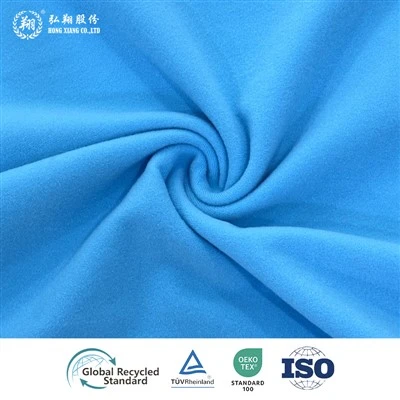
If you’re a brand, designer, or apparel maker looking for summer fabrics that deliver comfort, quality, and value, I’m here to help. I’ve got a full range of swatches, custom blend options, and bulk pricing for orders of all sizes. Skip the trial and error—let’s chat about your next line, so we can pick the fabrics that will keep your customers coming back.
Printed Knitted Fabric References
- Textile Institute. (2022). "Breathability and Moisture Management in Apparel Fabrics for Thermal Comfort." Journal of Textile Science and Fashion Technology.
- Cotton Council International. (2023). "Summer Apparel Fabrics: Performance and Customer Preference Survey."
- Linen Association of Europe. (2021). "Properties of Long-Staple Linen for Apparel Use."
- American Apparel and Footwear Association. (2022). "Synthetic Fabric Innovations for Active Summer Wear."
Zhejiang Hongxiang Textile Technology Co., Ltd.
Zhejiang Hongxiang Textile Technology Co., Ltd. is one of the most professional apparel fabric manufacturers and suppliers in China. With abundant experience, we warmly welcome you to wholesale custom made apparel fabric from our factory. If you have any enquiry about cooperation, please feel free to email us.
Address: No. 8, 12th Road, Warp Weaving Park, Maqiao Street, Haining City, Jiaxing City, Zhejiang Province
E-mail: gd@hongxiang888.cn
WebSite: https://www.h-xiang.com/
