Hey everyone, it’s Jake from your go-to mica supplier, and I get asked this question all the time when I’m chatting with clients old and new: “What even is mica, and what do people actually use it for?” Like, I’ve had people mix it up with glitter (fair, but no) or think it’s some weird fancy gemstone (also fair—those shimmery flakes look like they belong in a museum, not a tube of lip gloss). But mica is way more versatile than most folks realize, and honestly? It’s in way more of your daily stuff than you probably notice. Let’s break down the real, practical uses of mica—no stuffy scientific jargon, just straight talk from someone who’s been sorting and selling this mineral for 12 years. Mica

First, let’s get the basics right for anyone who’s still confused: mica is a group of silicate minerals that split into super thin, flexible sheets. That flaky, shimmery texture? That’s what makes it stand out, but it’s not just for pretty shine. Let’s start with the uses you will notice in your makeup bag—because that’s the biggest one for most people who reach out to me for quotes. If you’ve ever worn a eyeshadow, lipstick, blush, or even a setting spray that glows a little instead of just being matte? Chances are mica is in it. Brands love it because it gives that natural, pearlescent shimmer without being too chalky, and it plays nice with other ingredients (no weird clumping in the tube). I work with makeup formulators all over, and they tell me they’d never switch to a synthetic alternative—mica just has that unique light reflection that makes skin look dewy, not glittery in a fake way. Even mineral sunscreens use it! It helps the zinc oxide or titanium dioxide look less gray on skin, so you don’t walk around looking like you slathered on chalk. That’s a big one we don’t talk about enough—mica is basically the unsung hero of natural, wearable makeup.
Next up? The stuff that keeps your car running and your house standing. Wait, car parts? Yeah, let’s talk about industrial uses—this is where a lot of my bulk orders come from, not from makeup brands. Mica has insane heat resistance, like way more than plastic or even some metals. So if you’ve got an electrical appliance—your toaster, your microwave, your laptop charger—mica is probably in the insulation. It’s used to wrap heating elements because it doesn’t melt, doesn’t conduct electricity, and those thin sheets are easy to cut to fit whatever size they need. I had a client last month who makes industrial heaters for factories, and he told me a good batch of mica cut his production time in half because he didn’t have to do any extra testing for heat tolerance. Then there’s construction: you mix fine mica flakes into drywall compound or concrete to help prevent cracking, and it adds a little water resistance too. Perfect for bathrooms or basements where moisture is an issue. Oh, and roofing shingles! Some premium shingles use mica to make them durable against UV rays—they don’t fade as fast as regular shingles, so homeowners save money on replacements down the line. That’s a use I didn’t even know about until a roofing rep hit me up last year, and now we ship him 500-pound bags every quarter.
Wait, let’s not sleep on the skincare side either—beyond makeup, the stuff you slather on your face at night has mica too. Think face serums, body lotions, even hair masks. It’s gentle enough for sensitive skin, which is why brands love it for “clean beauty” lines. Unlike some synthetic shimmer ingredients, natural mica is non-comedogenic, so it won’t clog pores (I’ve had acne-prone clients confirm that). I used to get pushback a few years ago from people who thought “natural” meant no mica, but now everyone gets it—it’s a natural mineral, not a chemical, so it checks all the boxes for folks who want products that aren’t full of weird additives. Even baby powder sometimes uses mica? Only the good, non-talc ones, but yeah—it makes the powder feel silky without being harsh on a baby’s delicate skin. That’s a small use, but it matters for parents, and I’m proud to supply the small brand that makes those.
Let’s get to another big one: paint and coatings. If you’ve ever walked past a house with a metallic or pearl-finish wall? Mica is in that. It’s way better than plain pigment because the flakes reflect light at different angles, so the color changes slightly depending on how you look at it—super trendy right now for accent walls, furniture, even car wraps. I recently shipped a ton to a custom car shop that’s doing matte pearl finishes on trucks—they say the mica makes the finish look way more expensive, and they charge 20% more for those jobs. Also, industrial paint for bridges or industrial equipment uses mica to protect against corrosion. The flakes form a barrier between the metal and water, so rust doesn’t set in as fast. That’s a huge deal for infrastructure—mica adds years to the life of a bridge, which saves governments millions in repairs. I never would’ve guessed a tiny flaky mineral could do that, but that’s the magic of it.
Wait, what about smaller, more random uses that make me go “oh right, that’s mica”? Let’s see—candles! Yeah, some soy candles use fine mica flakes to add a subtle shimmer when they’re lit. Not the chunky glitter kind, just a soft glow. And then there’s fishing lures! Anglers use mica to coat lures so they flash in the water, attracting fish. That’s a niche use, but it’s steady—we get orders from a fishing supply company every spring, and they swear by our high-purity mica because it doesn’t flake off in the water like cheaper stuff. Oh, and even some art supplies—high-quality colored pencils or pastels use mica for that pearlescent effect, way better than cheap glitter that falls off paper. I bought a set for my niece last year, and she’s been using them to draw sparkly mermaids, so that’s a win for me too.
Now, I know what you’re thinking: “Jake, this sounds great, but why should I buy from you specifically?” Look, I’m not a big corporate supplier that cuts corners. I source our mica directly from responsible mines (we do our due diligence, no conflict stuff) and process it locally, so we can control the quality every step of the way. We have different grades for different uses—fine, powdery mica for makeup and skincare, thicker, rigid sheets for electrical insulation, medium flakes for paint and roofing. If you need a specific particle size or purity level, I can tailor a batch for you. No runaround, no hidden fees, just straight-up mica that works.
At the end of the day, mica is one of those minerals that’s been around forever, but we only really started noticing all its uses in the last 50 years. It’s not flashy, it’s not diamond, but it’s essential for so many things we use every single day. If you’re a formulator, a manufacturer, a hobbyist, or anyone who needs high-quality mica for whatever project you’re working on? Hit me up. No pressure, no sales pitch that’s too pushy—we can chat about what you need, I can send you a sample, and we can go from there. I’ve been doing this long enough that I can tell you which grade is best for your specific use without wasting your time.
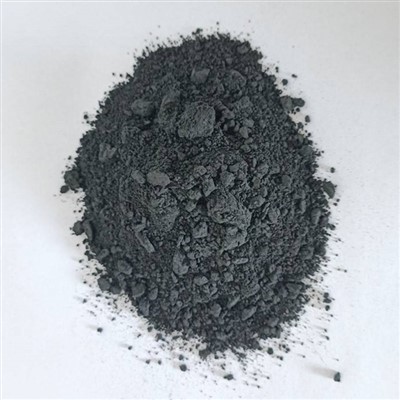
So that’s the rundown—mica isn’t just for glitter in old school projects (though hey, it’s good for that too). It’s in your makeup, your car, your house, even the candles you burn after a long day. If you have questions about uses, grades, or pricing, I’m here. Reach out whenever.
Bentonite References
- U.S. Geological Survey. Mineral Commodity Summaries: Mica. 2023.
- International Mica Association. Mica Applications in Modern Industry and Consumer Goods. 2022.
- Skincare and Beauty Review. The Role of Natural Mica in Cosmetic Formulations. 2021.
- Construction Materials Weekly. Mica Additives for Durable and Crack-Resistant Building Products. 2022.
- Journal of Applied Electrochemistry. Mica as an Electrical Insulator for Industrial Heating Elements. 2020.
Lingshou County LM Mineral Products Co., Ltd.
As one of the most professional mica manufacturers and suppliers in China, we’re featured by quality products and good service. Please rest assured to buy customized mica made in China here from our factory. Contact us for more details.
Address: Dongzhuang Village, Nanyanchuan Township, Lingshou County, Shijiazhuang City, Hebei Province
E-mail: lmwtwz@163.com
WebSite: https://www.lmwtz.com/
