Hey there, let’s cut through the jargon—water reuse isn’t just a buzzword anymore. It’s the difference between cities having enough drinking water and dealing with plumbing bans during summers. And if you’ve been wondering how we get from “wastewater” to something clean enough to use again, nanofiltration (NF) is the unsung hero behind most of that magic. As someone who’s been selling NF systems for years (shoutout to the guys who’ve installed our units in Texas, Arizona, and even a tiny town in Oregon that was days away from a drought), I’m here to break this down like we’re chatting over a beer after work. No stuffy white papers, promise. Nanofiltration (NF) Systems

First, let’s get one thing straight: NF isn’t reverse osmosis (RO). I know, I know—everyone mixes them up. RO is the super strict, “almost turns water into distilled” membrane that removes almost everything. NF’s a little more chill, but in the best way. It targets specific stuff: like heavy metals (lead, arsenic, the junk you don’t want in your tap), microplastics, pesticides, and even some bacteria. But it lets good stuff like calcium and magnesium stay in—you know, the minerals that make water taste like water instead of flat distilled sludge. That’s a big win for us, because customers don’t have to deal with weird-tasting water after installation.
Now, how does this actually tie into water reuse? Let’s start with the big picture. Right now, most water reuse projects fall into two buckets: potable (drinking water) and non-potable (water for irrigation, industrial use, flushing toilets). NF plays a key role in both, but let’s dive into the real-world examples I’ve seen. Take that Texas refinery I mentioned a while back—they were using groundwater that was high in chromium (yep, the toxic metal from old pipes). They couldn’t pump enough fresh water from the city, so they started reusing their wastewater for manufacturing. NF was the middle step that stripped out the chromium, then the water went through a little extra polishing and was good as new for their cooling systems. They cut their city water use by 60% in a year. Crazy, right?
Or the town in Oregon—they had a small wastewater treatment plant that was dumping treated water into a river, but the river was getting low in summer. They installed our NF system to take that secondary-treated water (the stuff that’s been through basic bacteria removal) and filter out nitrates and microplastics. Now they pump that filtered water back into the river to keep it full, then pull it out again for drinking water later. It’s a closed loop, basically, and NF was the linchpin that made it work without wasting energy like RO would have.
Wait, let’s get into the tech stuff without making your eyes glaze over. NF membranes are super tiny—like, pore sizes are 0.001 to 0.01 microns. For reference, a human hair is about 50,000 microns wide. So these pores are smaller than a virus, but bigger than the molecules we want to keep. That’s the sweet spot. They use pressure to push water through, similar to RO, but at lower pressure. So it’s cheaper to run, less energy, lower operating costs. For industrial clients, that’s huge—saving on electricity bills while hitting environmental goals. For municipalities, that means they can stretch their water budgets further.
Another angle: microplastics. Everyone’s talking about them now—they’re in our oceans, our tap water, even our blood. NF catches almost all of them. I had a conversation with a California agricultural supply company last year—their irrigation water was testing high for microplastics from runoff, and their crops were absorbing some of them. They put in an NF system, and within six months, their test results were way down. The farmers were happy because their produce was safer to sell, and the company was happy because they could keep using recycled water instead of buying fresh groundwater. That’s a double win.
Let’s talk about the myths people have. Some folks think “reused water” is dirty, like it’s toilet water or something. But when you go through NF, the water is cleaner than most river water. I’ve had so many customers tell me, “Wait, that’s the same water that went down the drain yesterday?” And yeah, basically, but after NF and a little extra treatment, it’s indistinguishable from tap water. We even do taste tests with our clients—they can’t tell the difference between the NF-treated reused water and their old city water. That’s the secret sauce.
Now, why NF over other methods? Ultrafiltration (UF) is another common membrane, but UF only catches bacteria and big particles. It doesn’t do much for heavy metals or small pesticides. RO works, but like I said earlier, it removes all the minerals, so you have to remineralize the water, which adds steps and cost. NF hits that middle ground perfectly. It’s versatile too—we can tweak the membranes to target specific contaminants depending on where the project is. If a city has high lead in their source water, we adjust the NF setup to strip lead more. If an industrial client needs to remove per- and polyfluoroalkyl substances (PFAS—those forever chemicals everyone’s talking about), NF does that too. It’s not a one-size-fits-all, but it’s adaptable enough for almost any water reuse need.
Let’s get real about the challenges, too. No tech is perfect. NF membranes can get fouled—meaning gunk builds up on them over time, so they don’t work as well. But that’s why we provide maintenance plans, not just sell the system. We tell our clients to do regular cleanings, and we have spare parts on hand if something goes wrong. In the 10+ years I’ve been in this business, I’ve only had one client that had a big fouling issue, and that was because they skipped our maintenance tips. That’s on them, not the system. The key is proper operation and upkeep, which we walk every customer through step by step.
Also, cost. I know water projects can get pricey, but NF is more affordable than you think. The upfront cost is way lower than building a new reservoir or pumping water from hundreds of miles away. And the long-term savings—less energy, less water purchases, compliance with environmental regulations—add up fast. That Texas refinery I mentioned? They paid off their NF system in 18 months. That’s not a typo—18 months. For a business, that’s a no-brainer.
Wait, let’s circle back to why this matters for all of us, not just the engineers and factory guys. Climate change is making droughts worse everywhere. Places like the Southwest US, the Middle East, parts of Europe—they can’t rely on rain or rivers forever. Water reuse with NF is how we future-proof our water supplies. I’ve seen towns that were on the brink of water restrictions install NF systems and avoid them entirely. Families don’t have to shower with buckets. Restaurants don’t have to cut back on dishwashing. Farmers can keep growing food instead of letting fields go fallow. It’s not just about convenience—it’s about survival.
Here’s the thing: I’m not just selling NF systems. I’m helping people solve real problems. A few months ago, a small city in Arizona hit me up because their lake was drying up, and they were told they couldn’t build a new pipeline. We worked with them to design a NF system that takes their treated wastewater, filters it, and pumps it back into the lake. Now the lake is full again, and they have extra water for residential use. That’s the stuff that makes this job worth it—knowing that what we’re selling isn’t just metal and plastic, it’s hope.
If you’re reading this and you’re part of a municipality, industrial plant, farm, or any business that’s dealing with water shortages or compliance issues with contaminants, let’s talk. I can send you case studies from places just like yours, walk you through what an NF system would look like for your needs, and give you a real, honest quote—no hidden fees, no salesy nonsense. We don’t do one-size-fits-all, and we don’t ghost our clients after installation. We’re here for the long haul, same as you are when it comes to securing your water supply.
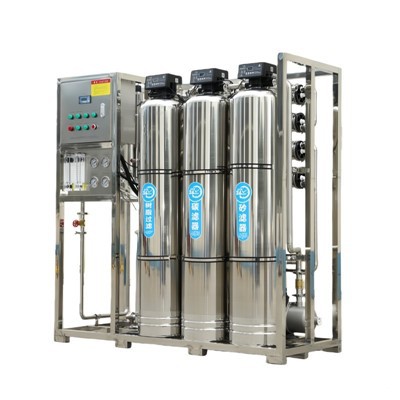
Don’t wait until you’re facing a drought ban or a regulatory fine. NF is the key to turning what was once waste into a resource that keeps your operations running, your community safe, and the planet a little less strained. Hit me up, and let’s start figuring out how we can help you.
Packaged Sewage Treatment Plant References
- Cath, T. Y., Childress, A. E., & Elimelech, M. (2006). Nanofiltration for heavy metal removal: applications and process design. Journal of Membrane Science, 281(1-2), 70-81.
- Snyder, S. A., Adham, S., Snyder, E. M., & Crosby, K. (2007). Role of membranes for the removal of organic contaminants from water. Water Research, 41(18), 4155-4185.
- American Water Works Association. (2020). Water reuse: technologies and applications. AWWA Publication.
- Sharma, S., & Chellam, S. (2009). Nanofiltration of microplastics from aqueous solutions. Environmental Science & Technology, 43(21), 8079-8085.
- World Health Organization. (2017). Nanofiltration for drinking water treatment. WHO Press.
Shandong Lingke Environmental Technology Co., Ltd.
Address: 100 Meters South of the Intersection of County Road 042 and National Highway 309, Changle County, Weifang City, Shandong Province
E-mail: aileenlin@sdlingkegroup.com
WebSite: https://www.lkecotech.com/
