If you’ve ever spent time under the hood of a car after a few harsh Midwest winters, or stared at a fastener on a vintage pickup truck that’s rusted so solid it’ll spin off if you look at it wrong, you know this isn’t just a cosmetic annoyance. Rust on automotive fasteners doesn’t just ruin a part’s look—it weakens their grip, turns routine maintenance into a nightmare, and can even compromise your vehicle’s safety over time. As someone who’s been in the automotive fastener supply game for 12 years, talking to independent mechanics, big-box auto parts stores, and small repair shops across the country, I’ve seen how many folks treat rust prevention as an afterthought instead of the critical step it is. Today, I’m breaking down the science behind why fasteners rust, and the practical, proven steps we (and our clients) use to keep them that way—no fancy gimmicks required. Automotive Fasteners
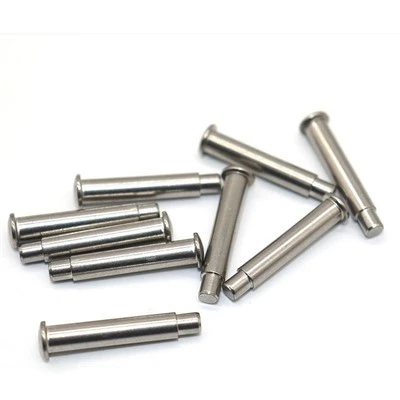
First, let’s get one thing straight: automotive fasteners rust because of a simple electrochemical reaction, nothing more complicated than that. When you have three things together—iron or steel (the base of most fasteners), oxygen, and water—you get rust, or iron oxide. But automotive environments add extra variables that turn that slow, natural process into a race against time. Salt from winter roads, which is a huge culprit in northern states, acts as an electrolyte that speeds up the reaction; it breaks down the protective layer on steel and lets moisture seep in faster. Road grime, brake dust, and even residual manufacturing oils that weren’t fully removed before installation can trap moisture against the fastener’s surface, creating a tiny, humid microclimate that’s perfect for rust to take hold. Even humidity in coastal areas (hello, salt air on the West Coast) can do the same thing, just slower than road salt. I’ve had mechanics tell me they’ve pulled off rusted exhaust manifold bolts on 3-year-old vehicles that spent most of their lives within 50 miles of the ocean—proof it’s not just a winter road problem.
Now, here’s the part where most people go wrong: they think “rust prevention” just means spraying a little WD-40 and calling it good. WD-40 is great for loosening stuck parts, but it evaporates in a matter of weeks, especially under the hood where temperatures can hit 200+ degrees in the summer. It doesn’t form a long-lasting protective barrier. And for fasteners that are under a load—like suspension bolts, wheel lugs, or transmission mounts—you need something that works with the fastener, not just on top of it. Let’s start with the most foundational step: choosing the right fastener material for the job. This is where as a fastener supplier, we spend a lot of time educating our clients because it’s the cheapest, most effective line of defense against rust.
Not all steel is the same. Basic carbon steel fasteners are cheap, but they’re basically rust magnets if they’re not coated. If you’re working on a part that’s not exposed to heavy moisture—like a bolt holding the inner door panel together—basic steel might work, but for anything under the chassis, on the exhaust, or the suspension, you want to step up. The next tier is galvanized steel. Hot-dip galvanized fasteners are dipped in molten zinc, which forms a thick, protective layer that acts as a barrier between the steel and the elements. Even better, zinc is sacrificial—if the coating gets scratched, the zinc will corrode instead of the steel underneath. We supply galvanized fasteners to a lot of small repair shops for wheel lugs and chassis bolts, and I can’t tell you how many have come back to thank us for not dealing with rusted lugs mid-tire change in spring. But galvanizing has its limits: it’s not great for high-heat applications, like exhaust bolts, where temperatures can hit 1,200 degrees. At that point, the zinc coating breaks down, so you need something else.
Stainless steel is the gold standard for rust resistance, but there’s a catch: not all stainless steel is created equal. The most common type for automotive fasteners is 18-8 stainless, which is made of 18% chromium and 8% nickel. The chromium forms a thin, invisible oxide layer on the surface that repairs itself if it’s scratched, which is why stainless steel resists rust so well. But for really harsh environments—like the Pacific Northwest, where it rains nonstop for months, or areas that use heavy road salt—we recommend 316 stainless steel, which has more molybdenum added to it. That extra element makes it resistant to corrosion from salt and chemicals, and it’s the go-to for boat trailers, coastal vehicles, and heavy-duty trucks that see a lot of winter driving. I recently got a call from a fleet manager for a landscaping company that runs 20 trucks in Michigan; he was replacing rusted exhaust bolts every six months before switching to our 316 stainless ones two years ago. They haven’t had to replace a single one since. For high-heat applications, like exhaust manifold bolts or turbo fasteners, we also supply stainless steel fasteners with a high-temperature finish, like black oxide, that adds an extra layer of protection without breaking down under heat.
But here’s the thing: even the best fastener material won’t last if you don’t apply the right coating, and that’s where a lot of people (and even some suppliers) cut corners. Let’s talk about common finishes and how they hold up. Black oxide is one of the most misunderstood finishes out there. A lot of people think it’s just a coat of black paint, but it’s actually a chemical conversion process that turns the surface of the steel into iron oxide, which is porous so it can hold oil for extra protection. It’s cheap, it looks good, and it works for low-stress, low-heat parts, but it’s not as corrosion-resistant as galvanized or stainless steel, and it scratches easily. If you’re using black oxide fasteners on wheel lugs that are going to be installed in winter, you’ll still get rust over time.
Then there’s zinc-nickel plating, which is a step up from basic galvanizing. It’s thicker, more durable, and has 10 times the corrosion resistance of standard zinc plating. We use zinc-nickel for fasteners that go on trailer hitches, brake components, and battery terminals, because those parts are exposed to moisture and chemicals all the time. We also offer a ceramic coating option for fasteners that need both rust resistance and high heat performance, like engine bay bolts. Ceramic coatings can withstand temperatures up to 500 degrees, and they form a hard, non-conductive barrier that keeps moisture and salt out. A lot of race car builders use these, but they’re also great for everyday drivers because they don’t peel or scratch easily, even after years of being exposed to road grime.
Once you’ve chosen the right fastener and finish, the next step is preparation and installation—two steps that almost everyone skips, and that make all the difference. I’ve seen too many mechanics take a fastener right out of the box, wipe it off with a dirty rag, and thread it into a hole that’s full of rust and grime. That’s a one-way ticket to rusted fasteners. The first rule of installation: clean both the fastener and the mating hole before you put them together. Any residual oil, grease, or debris on the fastener will break down over time, trapping moisture against the surface. For holes that are already rusty, use a wire brush or a threaded tap to clean out the debris before installing a new fastener. If you’re working in a high-moisture area—like under the chassis—apply a small amount of anti-seize compound to the threads, but not just any anti-seize. We supply high-temperature anti-seize for engine parts and copper-based anti-seize for wheel lugs and chassis fasteners. Copper anti-seize acts as a barrier between the metal surfaces, prevents corrosion, and also makes it easier to remove the fastener later, which saves you hours of work when it’s time for a brake job or a tire change.
Another common mistake people make is over-tightening fasteners. Too much torque strips the threads or cracks the fastener, which creates gaps where moisture can get in, and too little torque means the fastener can vibrate loose, which can also lead to rust as water seeps into the gap. Always follow the manufacturer’s torque specifications for the part you’re working on—don’t guess. For example, wheel lug nuts should be torqued to between 80 and 100 foot-pounds for most passenger vehicles, not cranked as tight as you can with a breaker bar.
After installation, maintenance is the final line of defense. You don’t have to wax every fastener under your car, but a quick check twice a year—before winter hits and after spring’s slush melts—can catch small rust spots before they turn into big problems. For vehicles that see a lot of road salt, spraying the undercarriage with a pressure washer in late winter to get rid of all the salt and grime is a must. We recommend using a rust penetrant or lubricant specifically designed for automotive undercarriages, like a dry film lubricant that doesn’t attract dirt, instead of regular WD-40 which attracts dust and grime over time. I keep a can of our recommended lubricant in my garage, and every March, I spray all my wheel lugs, chassis bolts, and undercarriage fasteners after I wash my truck. It takes 10 minutes, and I’ve never had a rusted lug to fight in the spring.
Now, let’s talk about the long-term benefits of taking rust prevention seriously. When you use the right fasteners and follow these steps, you don’t just avoid the hassle of removing rusted bolts—you also extend the life of your vehicle. Rusted fasteners can cause suspension parts to fail, exhaust leaks that harm fuel efficiency, and even wheel studs breaking at the worst possible time. As someone who’s been in this business long enough to know a few horror stories, I can tell you that the cost of replacing a single suspension bolt is nothing compared to the cost of a brake job that gets delayed because you can’t remove a rusted fastener, or worse, an accident caused by a failing part due to corroded fasteners.

At the end of the day, rust prevention for automotive fasteners isn’t rocket science. It’s about choosing the right material, using the right finish, prepping and installing correctly, and doing a little maintenance twice a year. If you’re a mechanic, a fleet manager, or a car owner looking for reliable automotive fasteners that hold up against the elements, we can help. We carry a full line of corrosion-resistant fasteners for every application, from wheel lugs to exhaust bolts to chassis parts, and our team can help you pick the right products for your specific needs. Whether you’re working on a single car or a fleet of heavy-duty trucks, we have fasteners built to last, so you don’t have to deal with rusted parts down the line. If you’re ready to talk about your project and find the right fastener solution for you, feel free to reach out to us to discuss your requirements.
Screw References
- Automotive Fastener Standards Association. (2021). Corrosion Resistance in Automotive Fasteners: Material Selection and Application Guidelines.
- Metal Finishing Magazine. (2019). The Science of Fastener Corrosion and Effective Prevention Strategies for Automotive Applications.
- Society of Automotive Engineers (SAE). (2020). SAE J1257: Standard Test Method for Corrosion Testing of Fasteners for Automotive Applications.
- International Zinc Association. (2022). Galvanization as a Corrosion Prevention Method for Steel Fasteners in Transportation.
- Stainless Steel Industry Association. (2021). 300 Series Stainless Steels for Corrosion-Resistant Fasteners: Performance Specifications and Use Cases.
Wuyuan Jieyi Automotive Electrical Appliance Co., Ltd.
As one of the most professional automotive fasteners manufacturers and suppliers in China, we’re featured by quality products and good service. Please rest assured to wholesale bulk durable automotive fasteners in stock here from our factory. We also accept customized orders.
Address: No. 7 Likeng Road, Industrial Park Wuyuan County, Shangrao City, Jiangxi Province
E-mail: wyjydqz@163.com
WebSite: https://www.wyjydq.com/
