Hey there, it’s Mia from Nursery Plant Supports – the person you call when your young trees, shrubs, and perennials start leaning like they forgot how to stand straight. For the last 8 years, I’ve spent my days hand-delivering, testing, and tweaking plant supports, and let me tell you: choosing the right one doesn’t have to feel like guessing which seed will grow into a monster redwood. I’ve seen customers go wrong all the time – grabbing the first rusty-looking stake from the shelf and then watching their new hydrangea snap in a summer thunderstorm, or using flimsy twine that cuts into a fruit tree’s bark by week three. Today, I’m breaking down how to pick the support that fits your plant, no fancy horticulture degree required. Nursery Plant Supports
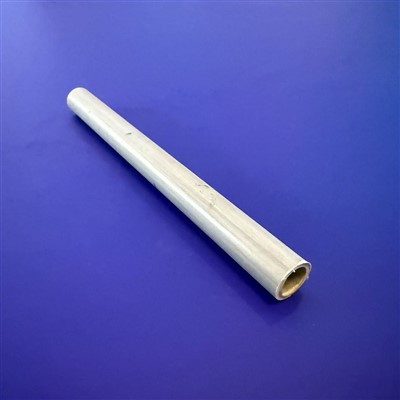
First, let’s start with the basics: what’s a nursery plant support, anyway? It’s not just a stick to hold up a wobbly thing – it’s a tool that protects the root system, prevents permanent stem damage, and lets plants grow the way they’re supposed to. Too small, and it’s useless; too big, and it’s overkill (and a waste of your budget). The biggest mistake I see new growers make is sizing for the plant’s current height, not its mature height. A 2-foot tall baby maple will hit 20 feet in 15 years, so you need a support that can keep up, not just prop up its current wobbly self.
Let’s talk about plant type, because that’s the #1 factor that dictates everything. Not all plants need the same support, and pairing the wrong one is a fast track to disappointment.
First up: young trees. This is where I see the most missteps. If you’ve got a newly planted sapling – say, a crabapple or a oak – it’s got a tiny, delicate root ball that hasn’t anchored yet. Wrapping a thin wire around its trunk to tie it to a single wooden stake is a bad idea, even if a big box store tells you to do it. Why? The trunk needs to move a little in the wind to build strength – that’s how trees get thick, sturdy bark. If you tie it too tight and keep it still all the time, it grows weak and will snap the second a breeze hits it. For trees, I recommend either a three-stake setup (often called a tripod) or a flexible, adjustable tree stake. The tripod is perfect for large saplings: drive three sturdy, 4-foot tall stakes evenly around the root ball, angled slightly outward, and tie each one to the tree with a soft, stretchy tree tie (never use twine, which is abrasive). The stretch lets the tree move a bit, so it builds strength. For smaller ornamental trees, a single flexible fiberglass stake works great – it bends with the wind, so the tree can sway, and the adjustable clamp tightens as the tree grows without cutting into bark. I always tell customers: for trees under 10 feet tall, use a support that’s at least half the mature height of the tree. For trees over 10 feet, go for a support that’s ⅔ the mature height – that way, when it’s full grown, the support will hold the upper canopy without being too short.
Next, shrubs and flowering perennials. These aren’t trees, so their support needs are different. Hydrangeas, peonies, delphiniums, and lavender are prone to flopping, especially when they bloom and get heavy with flowers. A single stake doesn’t work here – you need something that supports the whole structure, not just one stem. The wrong support for a peony, for example, is a thin wooden stake that you tie the center stem to. What happens? The rest of the stems flop over, dragging the whole plant on the ground where it can get fungal diseases from soil. For perennials and dense shrubs, the two most popular options are ring supports and grid-style supports. Ring supports are circular, like a metal or plastic donut that you stick in the ground around the plant, and as the stems grow up through the rings, they stay upright. I love these for peonies – they let the stems spread naturally without flopping, and you barely notice them when the plant is blooming. Grid supports are better for larger shrubs, like rose bushes or butterfly bushes – they’re made of flexible plastic or wire that forms a square or rectangular frame, so you can weave the stems through the grid and support the whole bush evenly. Another thing to consider here: if your plant is prone to powdery mildew, avoid supports that trap moisture against the stems. Open-grid metal or plastic supports are better than solid wooden ones, which hold water and can cause rot. I also recommend choosing a support that’s a bit wider than the plant’s width, not just its height – a peony that’s 2 feet wide needs a 2.5 foot wide ring support, not a narrow 18-inch one that will cramp its stems.
Then there are vining plants. Tomatoes, grapes, clematis, and climbing roses – these need supports that let them climb, not just hold them up. Stakes work here, but only if you have something for the vines to wrap around or cling to. A plain wooden stake is useless for clematis, which needs something textured to twine around. For tomatoes, a tall, heavy-duty stake or a tomato cage is the way to go. Tomato cages are great because they’re self-supporting – you just set them over the plant when it’s small, and as it grows, the stems go through the cage. For large vining plants like grapes, a trellis support is ideal – it’s a frame with horizontal wires, so you can train the vines along the wires and space the fruit evenly to prevent rot. A common mistake here is using a cage that’s too small, or a stake that’s not tall enough. A tomato plant can grow 6 feet tall in a single season, so your support needs to be at least 7 feet tall to give it room. Also, for vining plants, avoid any support that’s slippery – smooth metal stakes don’t give tendrils anything to grip, so the vine can slide down and get damaged. Look for supports with a textured surface, or add a little twine between the stake and the vine if you need extra grip.
Okay, so we’ve covered plant type, but what about material? This is a big one that people sleep on, and it affects both the support’s lifespan and the plant’s health. Let’s break down the most common materials:
Wood: Old-school wooden stakes are cheap, but they have a lot of downsides. They rot after a year or two, especially if they’re stuck in damp soil, so you have to replace them every season. Also, rough splinters on wooden stakes can damage delicate stems, and they’re not very adjustable – if your plant grows fast, the wood won’t move with it. I only recommend wooden supports for temporary use, like holding a transplant for a couple of months. If you use wood, sand the rough edges first to prevent bark damage.
Metal: Metal supports, like steel stakes or aluminum grid supports, are super durable – they can last 10+ years if they’re coated to prevent rust. They’re also lightweight for their strength, and adjustable in height, which is a plus for growing plants. But wait – uncoated steel will rust, and rust stains can get on plant stems and leaves, not to mention rust on bark can cause damage. Also, metal gets hot in the sun, so if you tie a plant directly to a metal stake in the middle of summer, the metal can burn the stem. That’s why I always recommend using a protective tie or a rubber guard between the plant and metal support. Coated metal (powder-coated aluminum or steel) is the way to go for long-term use – it rust-proof, smooth, and strong.
Plastic: Plastic supports are affordable, lightweight, and rust-proof, which makes them popular with small nursery owners and home gardeners. They come in all shapes – rings, cages, tripods – and they’re flexible, so you can adjust them to fit different plant sizes. The downside? Low-quality plastic can get brittle after a few years, especially if it’s left in direct sunlight. It can also crack if you drive it into hard soil, so you have to be careful. I always recommend HDPE plastic (high-density polyethylene) because it’s UV-stabilized, so it won’t break down in the sun for 5+ years, and it’s tough enough for heavy perennials.
Fiberglass: This is my secret favorite for modern nursery use. Fiberglass stakes are flexible, lightweight, rust-proof, and UV-stabilized, and they don’t get hot in the sun like metal does. They’re strong enough to hold up large trees and heavy fruit tree canopies, but flexible enough to bend with the wind, so they don’t damage the trunk. I use fiberglass stakes for 90% of my tree orders now – they last 10+ years, and they don’t splinter or burn stems. The only downside is they’re a little more expensive upfront, but over time, you don’t have to replace them, so they’re a better value.
Another key factor: size, and how to measure it correctly. I can’t tell you how many customers come to me with a plant that’s already flopping over, and they ask for a 2-foot support. But if the plant is 3 feet tall and flopping, a 2-foot support is useless – it won’t reach the top half of the plant, which is where the weight is. Here’s my simple rule: measure the plant’s mature height, then subtract 12 inches. That’s the minimum support height you need. For example, if your peony is expected to grow 3 feet tall at maturity, your support should be at least 2 feet tall. If your maple tree will grow 20 feet tall, your support should be at least 13 feet tall. Also, for width: a support’s diameter (for rings or cages) should be equal to about two-thirds of the plant’s mature width. A peony that’s 3 feet wide needs a 2-foot wide ring support, not a narrow 1-foot one. If it’s a shrub that’s 4 feet wide, a grid support that’s 3 feet square is perfect.
Wait, what about specialty cases? I get asked about this all the time – what if you have a plant that’s growing in a windy area, or a heavy fruit tree, or a plant that’s prone to disease? For windy areas, you need extra sturdy supports. For trees, I recommend a four-stake setup instead of three, to make it more stable, or a heavy-duty fiberglass pole that’s driven 18 inches into the ground (deep enough so it doesn’t lean in a storm). For heavy fruit trees, like apple or pear, you need a support that can hold the weight of the fruit, not just the canopy. A trellis system with horizontal wires is ideal here, because you can space the fruit along the wires and tie the branches to the wires to distribute the weight. For disease-prone plants, like roses that get black spot, go for open-grid supports that let air circulate around the leaves – solid wooden or closed plastic traps moisture, which leads to fungal diseases. That’s why I always recommend open designs for plants that are susceptible to powdery mildew or black spot.
I also want to talk about a common mistake that’s easy to fix: installation. You can buy the perfect support, but if you install it wrong, it won’t work. Here’s how to do it right: when putting a support around a plant, don’t drive the stakes right next to the root ball – that will damage the young roots. Drive them 6 to 12 inches away from the base of the plant, where the roots are growing outward, not the center. For ring supports, stick the legs into the ground about 6 inches away from the stems, so you don’t stab the plant. When tying the plant to the support, use soft, stretchy ties (tree ties, velcro plant ties, or even old nylon stockings – no twine, no wire). Tie it loosely enough so that you can fit two fingers between the tie and the stem, so the stem can grow. Check the ties every month, because as the plant grows, the tie will get tight and cut into the bark. That’s one of the most common causes of permanent stem damage, so don’t skip that step.
Let me give you a quick example of how this all comes together. Last year, I had a customer who bought 10 young pink peonies and a 5-foot tall crabapple sapling. First, for the peonies: their mature height is 3 feet, so they needed a 2-foot wide, 2-foot tall HDPE ring support. They were growing in a spot that gets a lot of rain, so we went with open-grid rings to let air circulate and prevent mildew. For the crabapple, its mature height is 20 feet, so we used two 14-foot fiberglass stakes for a tripod setup. We drove the stakes 12 inches away from the root ball, angled outward, and tied them with stretchy tree ties, leaving enough room for the tree to sway. Six months later, she sent me photos – the peonies had huge blooms, no flopping, and no fungal spots. The crabapple had grown 2 feet, and was standing straight, with a thick, sturdy trunk – no weak stem issues. She told me the only thing she did different from her last order was pick the right support, and it made all the difference.
At the end of the day, choosing the right nursery plant support is about balancing three things: the plant’s needs, the local growing conditions (wind, rain, sun), and your budget. You don’t have to buy the most expensive support on the shelf, but you also don’t want to skimp and have to replace it every year. If you’re still not sure what’s right for your plant, that’s what I’m here for – I’ve tested hundreds of supports, and I can help you pick the exact one that will keep your plants healthy and growing strong.

If you’re a nursery owner, a grower, or someone who has a whole garden full of plants that need support, don’t guess – reach out to our team to discuss your specific needs. We can help you match the right support to your plant type, size, and local conditions, so you don’t have to deal with flopping, broken stems, or fungal diseases. Let’s make sure your plants grow the way they’re supposed to – strong, healthy, and beautiful.
Marker Stakes References
- Horticultural Trades Association. (2021). Guidelines for the Selection and Installation of Plant Supports. HTA Technical Bulletin.
- American Society for Horticultural Science. (2019). Effects of Plant Support Type on Stem Development and Wind Resistance in Young Deciduous Trees. Journal of Environmental Horticulture.
- Royal Horticultural Society. (2022). Plant Supports: Choosing and Using the Right Support for Your Plants. RHS Gardening Advice.
- International Plant Propagators’ Society. (2020). Best Practices for Supporting Newly Established Nursery Crops. IPPS Annual Proceedings.
Yizheng Wanteng Composites Co., Ltd.
As one of the most professional nursery plant supports manufacturers and suppliers in China, we’re featured by quality products and good service. Please rest assured to wholesale bulk slip-resistant nursery plant supports for sale here from our factory. Contact us for pricelist.
Address: No. 20 Longyi Road, Qingshan Town Industrial Park, Yizheng City, Jiangsu Province, China
E-mail: mark@wantfrp.com
WebSite: https://www.wantfrp.com/
