Hey there! I’m a sticker supplier, and I’ve gotta say, flexographic printing is one of the coolest ways to make stickers. It’s fast, efficient, and can produce high – quality stickers in large quantities. In this blog, I’ll walk you through how to make stickers with flexographic printing. Sticker
First Things First: Understanding Flexographic Printing
So, what exactly is flexographic printing? Well, it’s a type of relief printing method that uses a flexible printing plate. Unlike some other printing methods, flexography can handle a wide range of substrates, from paper to plastic films and even metallic materials. This makes it super versatile for sticker production.
The process involves inking a flexible relief plate, which has the sticker design raised on its surface. Then, the ink is transferred from the plate to the substrate as it passes through a series of rollers. It’s a continuous process, which means you can produce a whole bunch of stickers in a relatively short amount of time.
Step 1: Designing Your Stickers
The first step in making stickers with flexographic printing is coming up with a great design. You can use graphic design software like Adobe Illustrator or CorelDRAW. When designing, keep in mind the size and shape of the stickers you want to produce. Also, think about the colors. Flexographic printing can handle a lot of colors, but the more colors you use, the more complex and potentially expensive the printing process might be.
I usually recommend keeping the design simple and clean. If you’re using bold colors, make sure they contrast well with the background. And don’t forget to add any text or logos that are important for your brand or message. Once you’re happy with your design, save it in a high – resolution file format like PDF. This will ensure that the printing process comes out looking sharp and clear.
Step 2: Preparing the Printing Plate
After you’ve got your design ready, it’s time to prepare the printing plate. This is a crucial step because the quality of the plate will directly affect the quality of the stickers.
There are different ways to make a flexographic printing plate. One common method is to use a digital imaging system. You’ll send your design file to a plate – making company, and they’ll use a laser to etch the design onto a photosensitive plate. The areas of the design that will print ink are left raised, while the non – printing areas are recessed.
Once the plate is made, it needs to be mounted onto a cylinder on the flexographic printing press. This has to be done carefully to make sure the plate is aligned correctly. Any misalignment can cause the stickers to print with blurry or distorted images.
Step 3: Selecting the Substrate
The substrate is the material that the stickers are printed on. As a sticker supplier, I know that choosing the right substrate is super important. There are so many options out there, and each one has its own pros and cons.
If you’re making stickers for indoor use, paper is a popular choice. It’s relatively cheap and easy to print on. You can get different types of paper, like matte or glossy, depending on the look you’re going for.
For outdoor use or stickers that need to be more durable, plastic films are a better option. Polyethylene and polypropylene are common choices. They’re waterproof, tear – resistant, and can withstand different weather conditions.
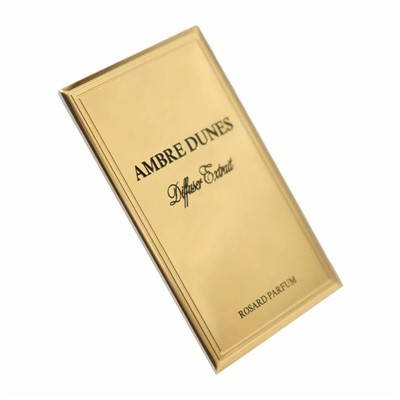
Another option is metallic substrates. These give the stickers a shiny, eye – catching look. They’re great for promotional stickers or those used in high – end packaging.
Step 4: Setting Up the Printing Press
Now it’s time to set up the flexographic printing press. This involves a few things. First, you need to load the substrate onto the press. Make sure it’s fed through the rollers smoothly and without any wrinkles.
Next, you’ll need to fill the ink reservoirs with the right colors of ink. Flexographic inks are usually water – based, solvent – based, or UV – curable. Water – based inks are environmentally friendly, while solvent – based inks dry quickly. UV – curable inks are cured using ultraviolet light, which gives them a very high – quality finish.
You also need to adjust the pressure of the rollers and the speed of the press. This will depend on the type of substrate you’re using and the complexity of the design. Usually, you’ll do some test prints to make sure everything is set up correctly.
Step 5: Printing the Stickers
Once the press is set up, it’s time to start printing the stickers. As the substrate passes through the press, the ink is transferred from the printing plate to the material. The continuous nature of flexographic printing means that the stickers are printed one after another in a long strip.
During the printing process, you need to keep an eye on the quality of the prints. Check for any smudging, misregistration, or uneven ink coverage. If you notice any issues, you can make adjustments to the press settings.
Step 6: Die – Cutting the Stickers
After the stickers are printed, they still need to be cut into the right shapes. This is where die – cutting comes in. A die is a specialized tool that’s made to cut the stickers into a specific shape. It can be a simple square or rectangle, or a more complex shape like a star or a heart.
The die – cutting process is usually done on a separate machine. The printed substrate is fed through the die – cutting machine, and the die cuts out the stickers. You can also use a kiss – cutting method, which cuts through the top layer of the sticker but leaves the backing paper intact. This makes it easy for the end – user to peel off the stickers.
Step 7: Finishing Touches
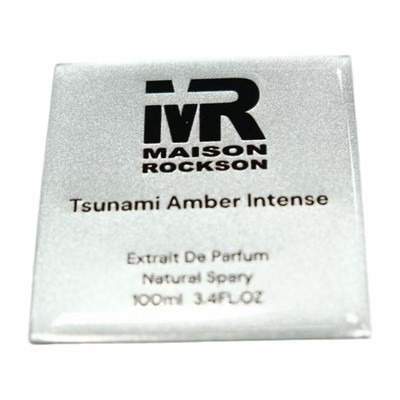
Once the stickers are die – cut, you might want to add some finishing touches. For example, you can apply a laminating film to make the stickers more durable and resistant to scratches. There are different types of laminates, like gloss, matte, or UV – blocking.
You can also add a spot varnish to certain areas of the sticker to give them a shiny, raised effect. This can make the logo or important text stand out.
Quality Control
Throughout the whole process, quality control is essential. As a sticker supplier, I always make sure to check the stickers at every stage. I look for things like color accuracy, sharpness of the design, and proper adhesion of the sticker to the backing paper.
Any stickers that don’t meet the quality standards are removed from the batch. This ensures that only the best – quality stickers are sent out to customers.
Why Choose Flexographic Printing for Stickers?
There are several reasons why flexographic printing is a great choice for making stickers. First of all, it’s cost – effective, especially for large – volume orders. The high – speed nature of the process means that you can produce a lot of stickers in a short time, which brings down the cost per unit.
Secondly, the print quality is really good. The flexible printing plates can reproduce fine details and smooth gradients, making your stickers look professional.
Also, as I mentioned earlier, flexography can handle a wide range of substrates. This gives you a lot of options when it comes to choosing the right material for your stickers.
Ending Thoughts and an Invitation to Connect
Well, there you have it! That’s how to make stickers with flexographic printing. It’s a great process that can produce high – quality stickers in large quantities.
If you’re in the market for stickers, whether it’s for your business promotions, product packaging, or any other purpose, I’d love to chat. As a sticker supplier, I’ve got the experience and the equipment to produce the perfect stickers for you. Just reach out, and we can discuss your design ideas, the quantity you need, and the best options for your project.
Aluminum Label Let’s work together to create some amazing stickers!
References
- "Flexographic Printing: Principles and Practices" by the Flexographic Technical Association
- "The Handbook of Package Printing" by John Crawford
- Various industry – specific trade magazines and publications on printing and packaging
Guizhou Mingguan Sign Nameplate Products Co., Ltd.
We’re well-known as one of the leading sticker manufacturers and suppliers in China. With abundant experience, we warmly welcome you to wholesale bulk customized sticker at low price from our factory. For quotation and free sample, contact us now.
Address: Xinpu New District, Zunyi City, Guizhou Province of China
E-mail: zhangyixuanmglabel@126.com
WebSite: https://www.mingguan-label.com/
