Forged fittings are a crucial component in many industrial applications, especially when it comes to high-pressure and high-temperature environments. As a supplier of forged fittings, I often get asked whether these fittings are suitable for high-temperature applications. In this blog post, I will delve into this question, exploring the properties of forged fittings, their performance under high temperatures, and the factors to consider when using them in such conditions. Forged Fittings
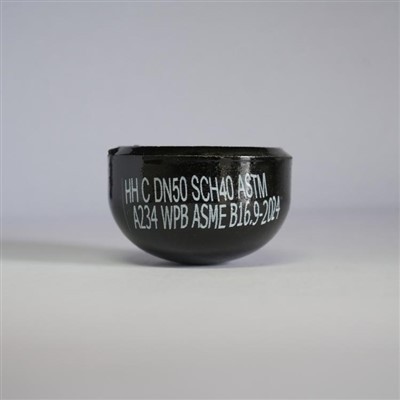
Understanding Forged Fittings
Forged fittings are manufactured through a forging process, where metal is heated and shaped under extreme pressure to create a dense and uniform grain structure. This process enhances the mechanical properties of the fittings, making them stronger, more durable, and resistant to wear and tear. Forged fittings are commonly used in industries such as oil and gas, petrochemical, power generation, and chemical processing, where reliability and safety are of utmost importance.
Properties of Forged Fittings
One of the key advantages of forged fittings is their high strength. The forging process aligns the grain structure of the metal along the shape of the fitting, resulting in a product that can withstand high levels of stress and pressure. This makes forged fittings particularly suitable for applications where there are significant mechanical loads, such as in pipelines carrying high-pressure fluids or gases.
In addition to their strength, forged fittings also offer excellent ductility. Ductility refers to the ability of a material to deform under stress without breaking. This property is crucial in high-temperature applications, as it allows the fittings to expand and contract with changes in temperature without cracking or failing. Forged fittings can maintain their integrity even when subjected to extreme temperature variations, ensuring a reliable and leak-free connection.
Another important property of forged fittings is their resistance to corrosion. Many industrial applications involve the transport of corrosive substances, such as acids, alkalis, and saltwater. Forged fittings can be made from a variety of corrosion-resistant materials, including stainless steel, carbon steel, and alloy steel, to provide long-term protection against corrosion and ensure the safety and reliability of the pipeline system.
Performance of Forged Fittings Under High Temperatures
When it comes to high-temperature applications, the performance of forged fittings depends on several factors, including the material composition, the design of the fitting, and the operating conditions. In general, forged fittings can withstand temperatures ranging from -200°C to 800°C, depending on the material used.
Stainless steel forged fittings are a popular choice for high-temperature applications due to their excellent corrosion resistance and high strength. Stainless steel contains chromium, which forms a protective oxide layer on the surface of the metal, preventing it from rusting and corroding. This oxide layer also helps to maintain the integrity of the fitting at high temperatures, making it suitable for use in applications such as power generation, chemical processing, and oil and gas refining.
Carbon steel forged fittings are another commonly used option for high-temperature applications. Carbon steel is a strong and durable material that can withstand high levels of stress and pressure. However, carbon steel is more susceptible to corrosion than stainless steel, so it may require additional protection, such as coating or galvanizing, to prevent rusting and corrosion.
Alloy steel forged fittings are designed to provide enhanced performance under high temperatures and high-pressure conditions. Alloy steel contains additional elements, such as nickel, chromium, and molybdenum, which improve the strength, hardness, and corrosion resistance of the material. Alloy steel forged fittings are commonly used in applications such as aerospace, automotive, and power generation, where high performance and reliability are required.
Factors to Consider When Using Forged Fittings in High-Temperature Applications
When using forged fittings in high-temperature applications, it is important to consider several factors to ensure their safe and reliable operation. These factors include:
- Material Selection: The choice of material for forged fittings depends on the specific requirements of the application, including the temperature range, the type of fluid or gas being transported, and the level of corrosion resistance required. It is important to select a material that can withstand the expected operating conditions and provide long-term performance.
- Design and Dimensions: The design and dimensions of the forged fittings should be carefully selected to ensure that they can handle the expected stress and pressure levels. The fittings should be designed to provide a proper seal and connection, and they should be able to accommodate any expansion or contraction that may occur due to temperature changes.
- Installation and Maintenance: Proper installation and maintenance are essential for the safe and reliable operation of forged fittings in high-temperature applications. The fittings should be installed according to the manufacturer’s instructions, and they should be regularly inspected and maintained to ensure that they are in good condition.
- Testing and Certification: Before using forged fittings in high-temperature applications, it is important to ensure that they have been tested and certified to meet the relevant industry standards and specifications. This will help to ensure that the fittings are safe and reliable, and that they will perform as expected under the intended operating conditions.
Conclusion
In conclusion, forged fittings are generally suitable for high-temperature applications, provided that the appropriate material is selected, the fitting is properly designed and installed, and it is regularly maintained. The high strength, ductility, and corrosion resistance of forged fittings make them an ideal choice for industries that require reliable and safe piping systems in high-temperature environments.

As a supplier of forged fittings, I am committed to providing our customers with high-quality products that meet their specific requirements. We offer a wide range of forged fittings in various materials, sizes, and designs to suit different applications and operating conditions. Our team of experts can help you select the right forged fittings for your high-temperature application and provide you with the technical support and guidance you need to ensure their proper installation and maintenance.
Pipe Elbow If you are in need of forged fittings for a high-temperature application, I encourage you to reach out to us to discuss your requirements. We are here to help you find the best solutions for your piping system and ensure its long-term performance and reliability. We look forward to partnering with you and providing you with the highest level of service and quality products.
References
- Metals Handbook: Properties and Selection: Irons, Steels, and High-Performance Alloys, ASM International
- Welding Handbook, American Welding Society
- ASME B16.11 – Forged Fittings, Socket – Welding and Threaded
Hebei Haihao Group Huadian High Pressure Pipe Fittings Co., Ltd.
As one of the most professional forged fittings manufacturers and suppliers in China, we are able to meet the needs of the majority of our customers. Please rest assured to wholesale high quality forged fittings made in China here from our factory. For price consultation, contact us.
Address: Donglin Industrial Zone, Mengcun County, Cangzhou City, Hebei Province, China
E-mail: haihaohuadian@outlook.com
WebSite: https://www.hhfittings.com/
